
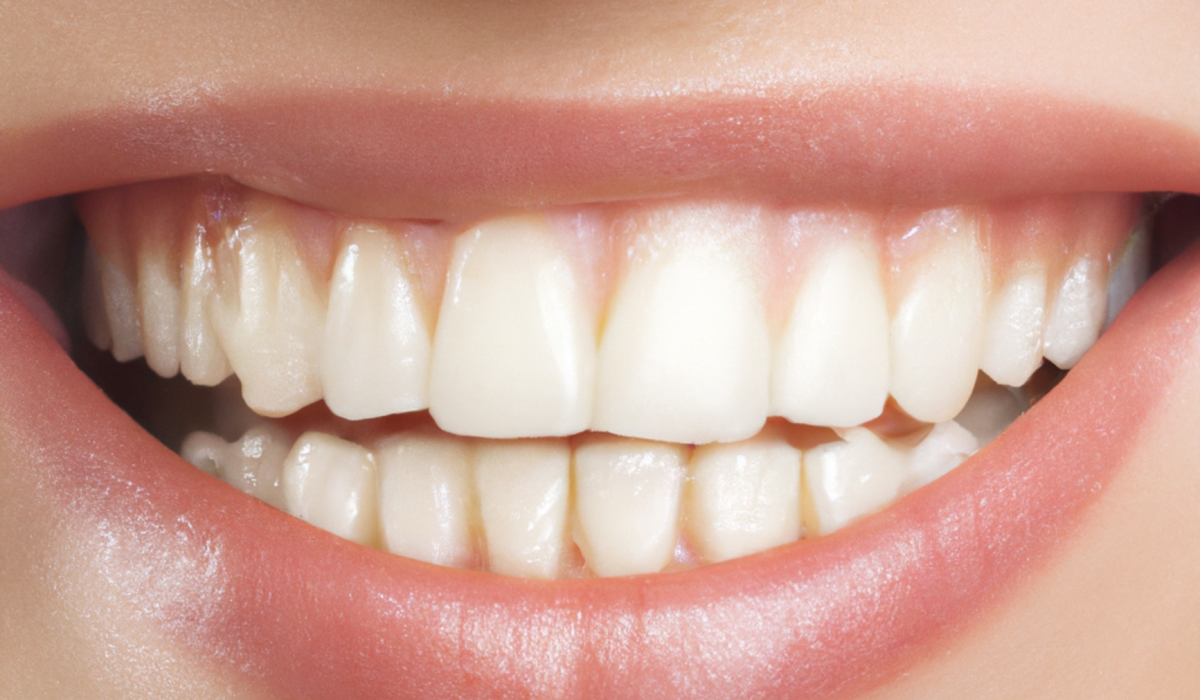
When we think about a healthy, radiant smile, our attention almost always focuses on bright, perfectly aligned teeth. However, behind every beautiful smile lies an equally crucial support system: your gums. Healthy gums serve as the firm foundation that anchors your teeth, protects underlying jawbone, and prevents harmful oral bacteria from entering your circulatory system.
Unfortunately, gum disease—medically known as periodontal disease—remains one of the most widespread chronic health conditions today. It often begins quietly as mild gingivitis, causing subtle redness, tenderness, or occasional bleeding during brushing. Left unchecked, it can gradually progress into periodontitis, leading to irreversible tissue damage and tooth loss. Understanding the root causes of gum disease is your most powerful tool for preserving your oral health for a lifetime.
The Primary Triggers Behind Gum Disease
Gum disease rarely occurs overnight. Instead, it develops over time due to a combination of oral hygiene habits, lifestyle choices, biological factors, and systemic health conditions.
1. Plaque Accumulation and Inadequate Hygiene
The single most common cause of gum disease is the daily accumulation of plaque—a sticky, colorless film of bacteria that constantly forms on your teeth. When brushing and daily flossing are rushed or skipped, plaque hardens into tartar (calculus) along and below the gumline. Tartar creates a rough, porous surface where bacteria thrive, releasing toxins that inflame and irritate delicate gum tissue.
2. Tobacco and Smoking
Tobacco use in any form is one of the most significant risk factors for severe periodontal disease. Nicotine restricts blood flow to the gums, depriving the tissue of oxygen and vital nutrients necessary for healing. This weakens your mouth’s natural immune defenses and often masks early warning signs like bleeding, allowing infection to advance rapidly unnoticed.
3. Hormonal Shifts
Fluctuations in hormone levels can make gums significantly more vulnerable to disease. Women frequently experience increased gum sensitivity during major hormonal milestones, including puberty, pregnancy, monthly menstruation, and menopause. Elevated hormone levels increase blood flow to gum tissue, making it react more intensely to even trace amounts of bacterial plaque.
4. Systemic Illnesses and Medications
Chronic medical conditions directly impact oral wellness. For instance, diabetes impairs the body’s ability to process blood sugar and fight off bacterial infections, making individuals with unmanaged diabetes far more prone to severe periodontal breakdown. Furthermore, hundreds of prescription medications cause dry mouth by reducing saliva flow. Because saliva naturally flushes away food particles and neutralizes bacterial acids, a dry mouth accelerates bacterial growth and plaque accumulation.
5. High Stress and Poor Nutrition
Persistent stress elevates cortisol levels in the body, which dampens the immune system’s capacity to keep bacterial infections under control. Additionally, diets high in refined sugars feed harmful oral bacteria, while a lack of essential nutrients—particularly Vitamin C—weakens the connective tissue that secures your teeth to the surrounding bone.
6. Genetic Predisposition
Even with consistent brushing and flossing, some individuals are genetically predisposed to gum challenges. Family history can influence the specific makeup of your oral microbiome as well as the intensity of your body’s inflammatory response to bacterial buildup.
Restoring Health When Gum Disease Advances
In its earliest stage (gingivitis), gum disease is entirely reversible with professional dental cleanings and improved daily hygiene. However, once the infection deepens into periodontitis, deep pockets form between the teeth and gums, leading to bone loss and structural instability.
When simple non-surgical cleanings are no longer enough to control deep-seated infections or rebuild lost jawbone structure, advanced restorative care becomes essential. Specialized procedures or oral surgery in Salt Lake City can help restore damaged foundation tissue, perform bone grafting, or replace compromised teeth with dental implants, giving patients a second chance at a fully functional smile.
Protecting Your Gums for the Future
Protecting your smile requires a proactive, lifelong commitment. By brushing twice daily with fluoride toothpaste, flossing every day, staying hydrated, and scheduling regular professional dental checkups, you can catch early warning signs before they turn into complex problems. Take care of your gums today to ensure a strong, healthy smile for years to come.