
In today’s fast-paced digital world, managing children’s screen time has become one of the most pressing challenges for parents. Tablets, smartphones, and video games offer instant gratification, but extended reliance on digital devices frequently leads to sedentary habits and reduced physical engagement. Breaking away from modern screen habits requires providing appealing, hands-on alternatives that are genuinely captivating and fun.
Creating meaningful, active experiences at home does not require elaborate setups or expensive equipment. With a splash of creativity and thoughtful planning, parents can transform everyday spaces into dynamic hubs for movement, imagination, and shared family joy.
Interactive Home Adventures and Creative Physical Play
One of the most direct ways to replace digital entertainment is by converting your living space or yard into an interactive adventure zone. Physical movement naturally boosts energy and elevates mood, making it a powerful tool for keeping kids active.
- DIY Indoor Obstacle Courses: Use couch cushions, soft chairs, painter’s tape, and cardboard boxes to craft an indoor challenge course. Have your children crawl under tables, jump over cushion “hurdles,” and balance along tape lines to develop physical confidence and motor skills.
- Backyard Games and Scavenger Hunts: If outdoor space is available, classic games like badminton, frisbee, or structured scavenger hunts bring endless excitement. Even small outdoor patios can be decorated with cushions or string lights to create cozy, inviting areas for evening activities.
- Music and Dance Nights: Turn up a family-friendly playlist and host a living room dance-off or karaoke session. Music-based activities lift spirits, burn excess energy, and encourage kids to explore their self-expression without feeling self-conscious.
Supporting Brain Development Through Unstructured Play
Beyond structured physical games, open-ended creative play plays an indispensable role in childhood development. Research highlighted by organizations such as the American Academy of Pediatrics emphasizes that unstructured, self-directed play is crucial for emotional regulation and healthy cognitive growth.
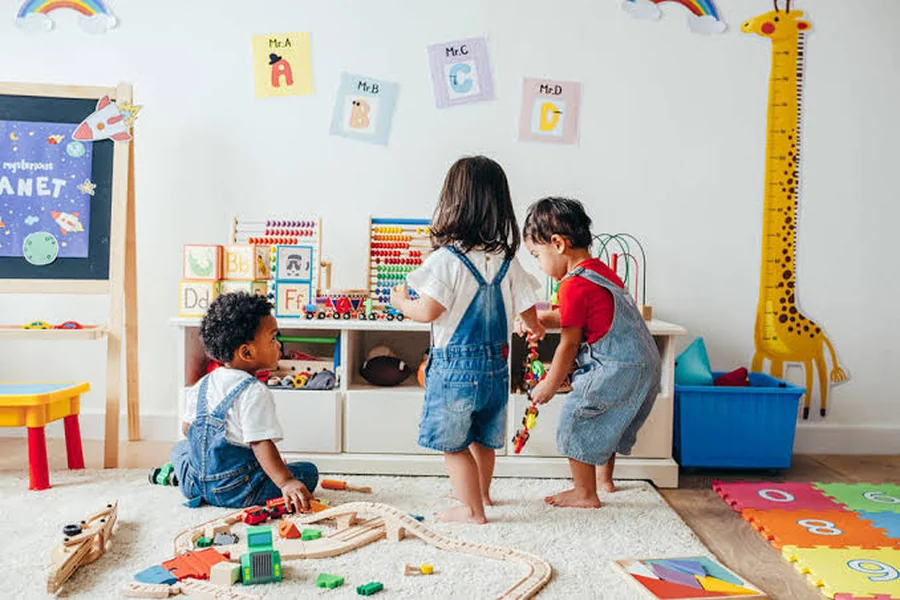
Providing children with simple raw materials—such as building blocks, craft supplies, or blanket fort kits—allows them to lead their own play experiences. Building a living room fort or crafting storybooks helps children build problem-solving skills, concentration, and spatial awareness. By encouraging self-directed exploration, parents help their children cultivate resilience and independent thinking that long outlasts any digital game.
Balancing Home Fun with Energetic Outlets
While creative home activities form a strong foundation for daily routines, there are times—especially during long seasonal shifts or unpredictable weather—when indoor home space feels limited. In these moments, complementing home play with exciting physical destinations keeps children’s routine fresh and engaging.
Recreation facilities and active play centers provide a valuable physical environment where children can push their physical limits safely. High-energy spaces offer intense sensory stimulation and movement that provide a natural, healthy dopamine boost. For example, families exploring options for an indoor trampoline in Columbus, Ohio can find specialized facilities equipped with open jump arenas, ninja courses, and dedicated areas for younger jumpers. Knowing that an exciting physical outing is on the schedule helps kids willingly transition away from screens during the week.
Designing a Sustainable Weekly Routine
Consistency is key when building healthy habits around play and technology. By involving every family member in planning weekly activities, staying entertaining at home becomes a collaborative effort rather than a daily struggle.
- Establish Clear Play Windows: Designate specific times during the day for energetic play, quiet reading, and creative projects.
- Rotate Activity Themes: Keep children eager by alternating between themed nights, culinary projects, and outdoor games.
- Prioritize Variety: Ensure your schedule offers a balance between quiet individual play, active group movement, and occasional visits to local active recreation centers.
Conclusion
Prioritizing physical activity and imaginative exploration is essential for raising healthy, happy, and resilient children. Whether you are setting up a backyard obstacle course, staging an impromptu family dance party, or visiting a high-energy active play facility, the primary goal remains the same. By consistently providing engaging alternatives to screens, parents can foster physical confidence, strengthen family bonds, and instill a lifelong love for active play.