

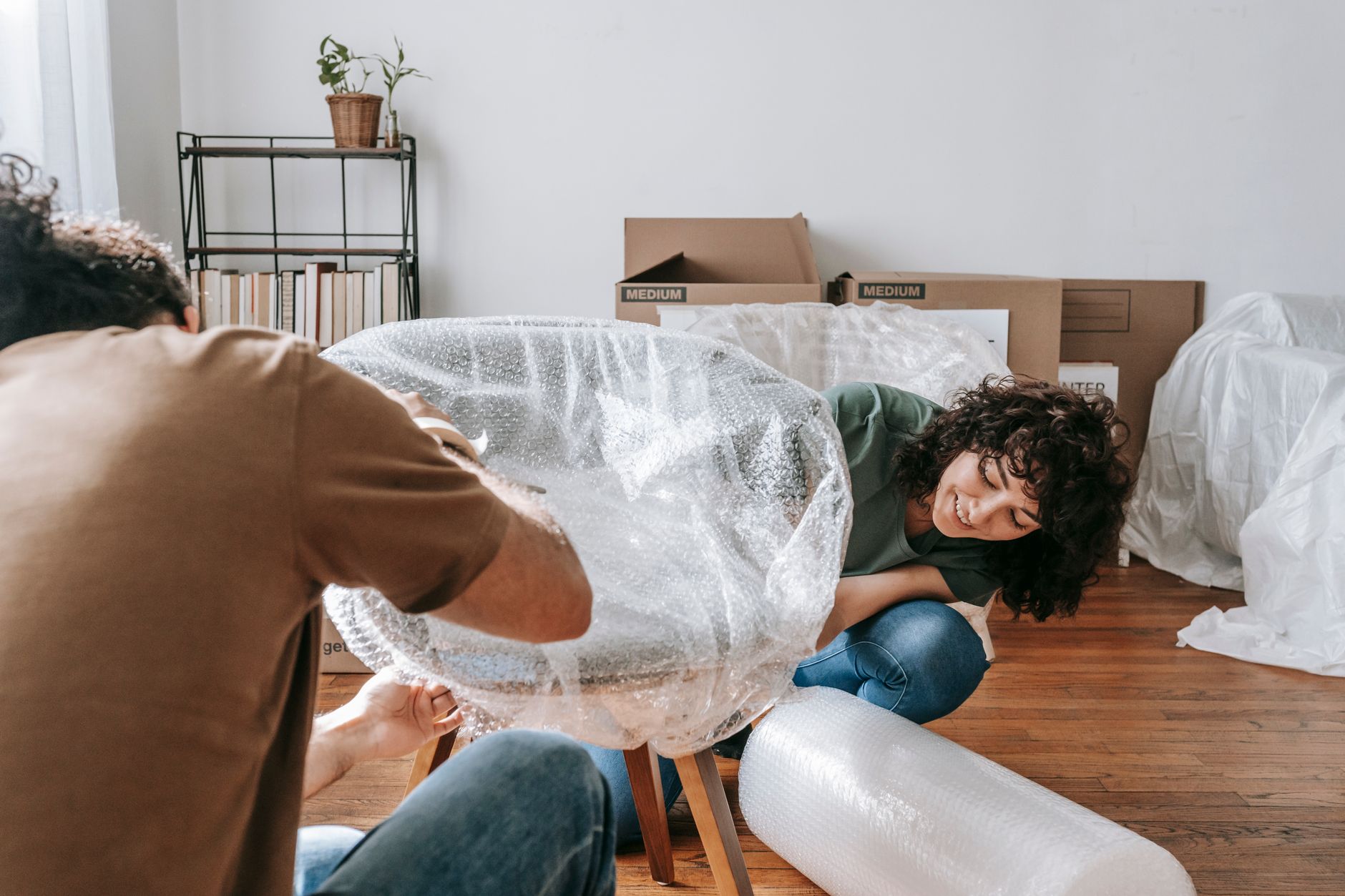
A long-distance move puts your furniture through hours of road vibration, several loading stages, and temperature swings inside the trailer. Loose legs, unsecured drawers, and bare corners take the most damage over hundreds of miles. The steps below show you how to pack furniture for a long-distance move so each piece arrives without new damage.
Decide What Goes on the Truck
Start with a room-by-room inventory. Every piece you sell or donate reduces the load, the packing time, and the truck space you need.
- Measure large pieces and compare them with the doorways and rooms at the new home.
- Photograph each item from several angles, with close-ups of existing scratches.
- Number each piece and record the number on your inventory sheet.
- Ask your mover for a list of items the crew will not transport. 5 Points Moving, a Los Angeles moving company, for example, excludes flammable substances, liquid chemicals, and firearms.
Gather the Right Supplies
Buy supplies before you start. A missing roll of tape stops the whole process.
- Moving blankets or furniture pads, about two to three per large piece.
- Stretch wrap in a wide roll.
- Bubble wrap for glass, mirrors, and decorative parts.
- Cardboard corner protectors.
- Double-wall boxes for lamps and small decor.
- Zip bags, packing tape, and a permanent marker.
- Mirror boxes for framed art and glass tabletops.
Disassemble Furniture Before You Wrap
Large assembled pieces take up more truck space and break at the joints. Disassemble furniture wherever the design allows.
- Remove legs from tables, sofas, and beds.
- Take out table leaves, glass shelves, and removable cushions.
- Take bed frames apart into rails, slats, and headboards.
- Photograph each step so reassembly goes faster.
Place every screw, bolt, and bracket in a zip bag. Label the bag and tape the bag to the largest part of the same piece. One common issue is a box of loose hardware with no labels. Owners spend hours matching bolts to holes at the new home.
Wrap Each Material the Right Way
Different materials need different protection on a long trip.
- Wood: cover the piece with moving blankets first, then secure the blankets with stretch wrap. Plastic placed directly on a wood finish traps moisture and leaves marks over several days.
- Upholstery: wrap sofas and chairs in stretch wrap or plastic covers to keep out dust and dirt. Add blankets over the arms and corners.
- Leather: skip direct plastic. Use blankets or a breathable cover, because leather needs airflow.
- Glass and mirrors: wrap in bubble wrap, place in a mirror box, and stand the box upright on edge. Mark the box as fragile on every side.
Empty every dresser and desk before the move. Full drawers add weight and strain the frame for hundreds of miles. Run stretch wrap around the outside to keep drawers closed. Avoid tape on finished surfaces, because tape leaves residue and pulls off paint.
Add cardboard corner protectors to tables, dressers, and bookcases. Corners hit doorframes and other furniture first during loading.
Protect Your Mattress and Bed
A mattress needs a sealed bag sized to the mattress. The bag keeps out dust and moisture on a trip of several days. Stand the mattress upright on the long edge in the truck and keep heavy items off the top. Never fold an innerspring or hybrid mattress, because folding bends the coils.
For a king or California king mattress, stairs without an elevator, or a tight hallway, ask mattress movers in Los Angeles how the crew wraps and loads mattresses before the long haul.
Load the Truck for a Long Haul
Packing protects each piece. Loading protects the whole shipment for the full distance.
- Load the heaviest furniture first, against the front wall of the truck.
- Balance the weight from side to side across the truck.
- Build the load in tiers and secure each tier with straps.
- Fill gaps with soft items, such as cushions and bagged pillows, so nothing shifts.
- Place boxes on top of dressers and tables, never on upholstered pieces.
Owners often ask whether to stack chairs on sofas to save space. Stack chairs on hard surfaces only. Weight on a sofa crushes the cushions and the frame over a long trip.
Questions to Ask Before You Book
Long-distance quotes depend on the volume of items, the need for a truck, access at both homes, the distance, and the dates. Share an accurate inventory for an accurate number.
- Ask how the crew wraps wood, leather, and glass.
- Ask whether the crew disassembles and reassembles furniture.
- Ask whether the quoted price stays fixed through delivery.
- Ask what insurance coverage applies and what extra coverage costs.
Starting in Studio City? When you compare Studio City movers, ask whether the company covers your destination and how the crew protects furniture on a multi-day trip.
Check Every Piece at Delivery
Keep your inventory sheet and photos on hand at the new home. Check each numbered piece as the crew unloads. Note any damage on the delivery paperwork before you sign. Remove plastic from wood and leather right away, then reassemble each piece with the hardware bag taped to the piece.