

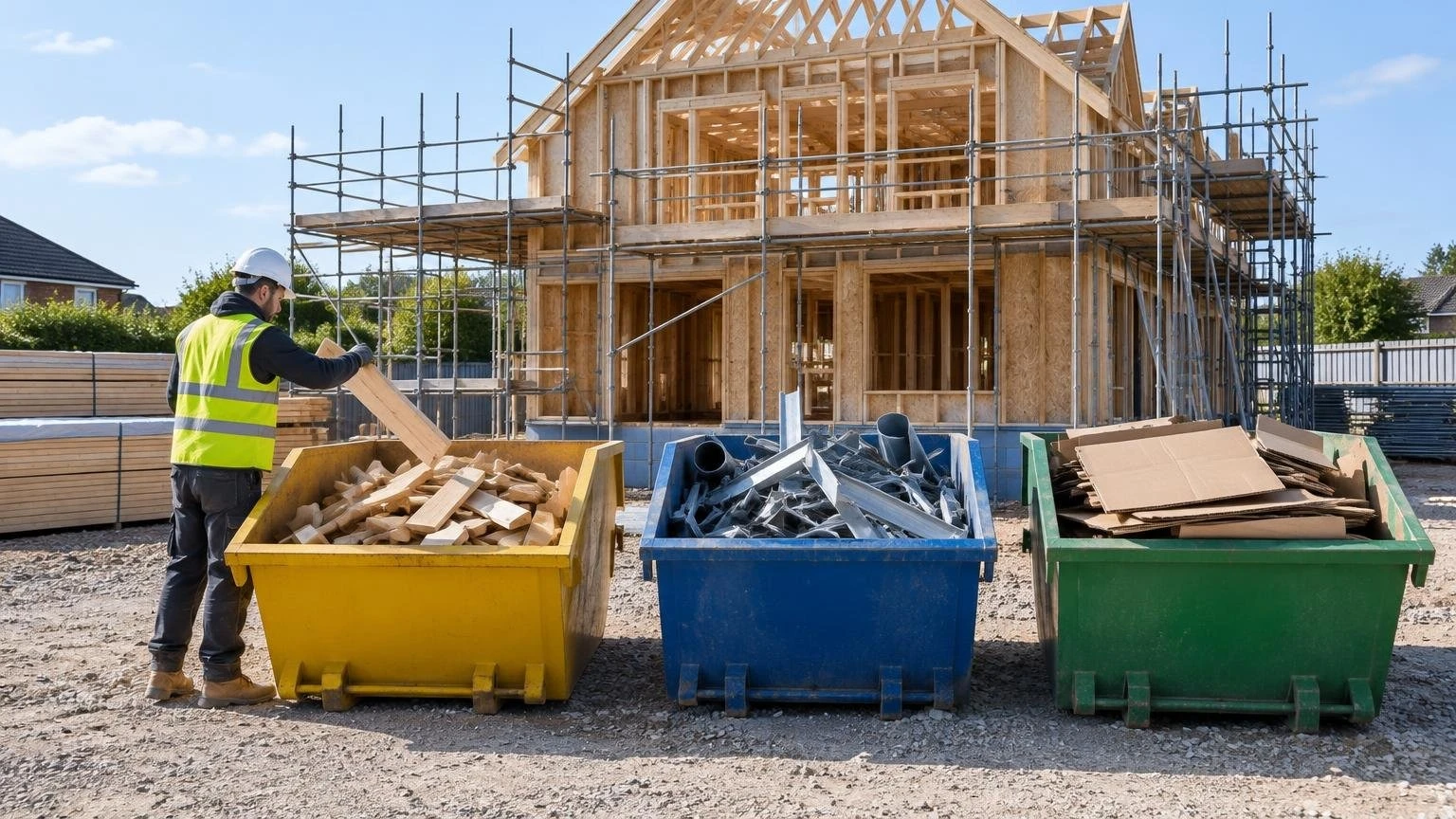
Building and demolition are two of the largest generators of waste for most localities. Most of this waste is off-cuts, packaging, damaged products and existing fittings which go into a skip bin and then eventually into landfill, when in reality some of these items could be avoided or recyclable.
When you build a new home, add an extension or do renovations on your current home, there can be a significant impact by choosing the right construction materials. The purpose of this document is to help select construction materials that will assist with reducing waste going into landfill from the beginning (frame) of the project through to the end (deck).
Why Material Choices Matter
Material choices are significant because nearly all construction materials (including lumber) produce waste throughout their lifecycle; from production through delivery to installation, use/maintenance, and eventual removal. Therefore, a product that generates minimal packaging, limited off-cuts during fabrication/installation, requires infrequent replacement due to prolonged performance, and/or may be recycled at the end of its service life will generate significantly less total waste throughout its entire life.
By focusing on the full lifecycle of a product — rather than simply pricing per unit of measure — consumers and builders alike may make more informed decisions regarding environmental impacts associated with various materials.
What to Look For in Low-Waste Materials
While no single product is completely “green,” several product types perform well in reducing overall waste generation. A number of characteristics may help identify products that are likely to result in reduced waste, including:
- Made using recycled materials (e.g., steel containing scrap content, glass containing cullet, etc.)
- Durable enough to withstand frequent use without degradation (e.g., decades-long performance)
- Repairable instead of disposable when a defect occurs
- Can be recycled or repurposed at the end of its service life
- Available in standardized sizes to minimize off-cut material
- Suppliers provide data about recycled content and takeback/repurpose programs
- Suppliers are willing to discuss these aspects of the products and process with customers
Reuse and Salvage Before You Buy New
In addition to the above factors, customers should first consider purchasing items that already exist. Recycling centers, salvage yards, and online marketplace platforms offer a wide variety of secondhand items — such as doors/windows/timber/bricks/sinks/lighting — at prices substantially lower than buying brand-new.
In fact, reclaimed items can create unique visual features within a residence. Hardwood floorboards, salvaged brickwork, antique lighting fixtures — and countless other possibilities — can contribute to the aesthetic appeal of a property.
Prioritize preserving materials prior to tearing out components. Cabinets can be re-finished, doors can be re-hung, and tile can remain in place with simple replacements/updates. Both cost savings and waste reduction are achieved via preservation.
The Structure and Shell
Structural elements and exterior sheathing comprise a large share of all material in a dwelling. Steel framing systems commonly utilize recycled steel and are themselves recyclable upon decommission. Timber products harvested from sustainably-managed forests are renewable resources capable of being re-used/recycled if properly preserved.
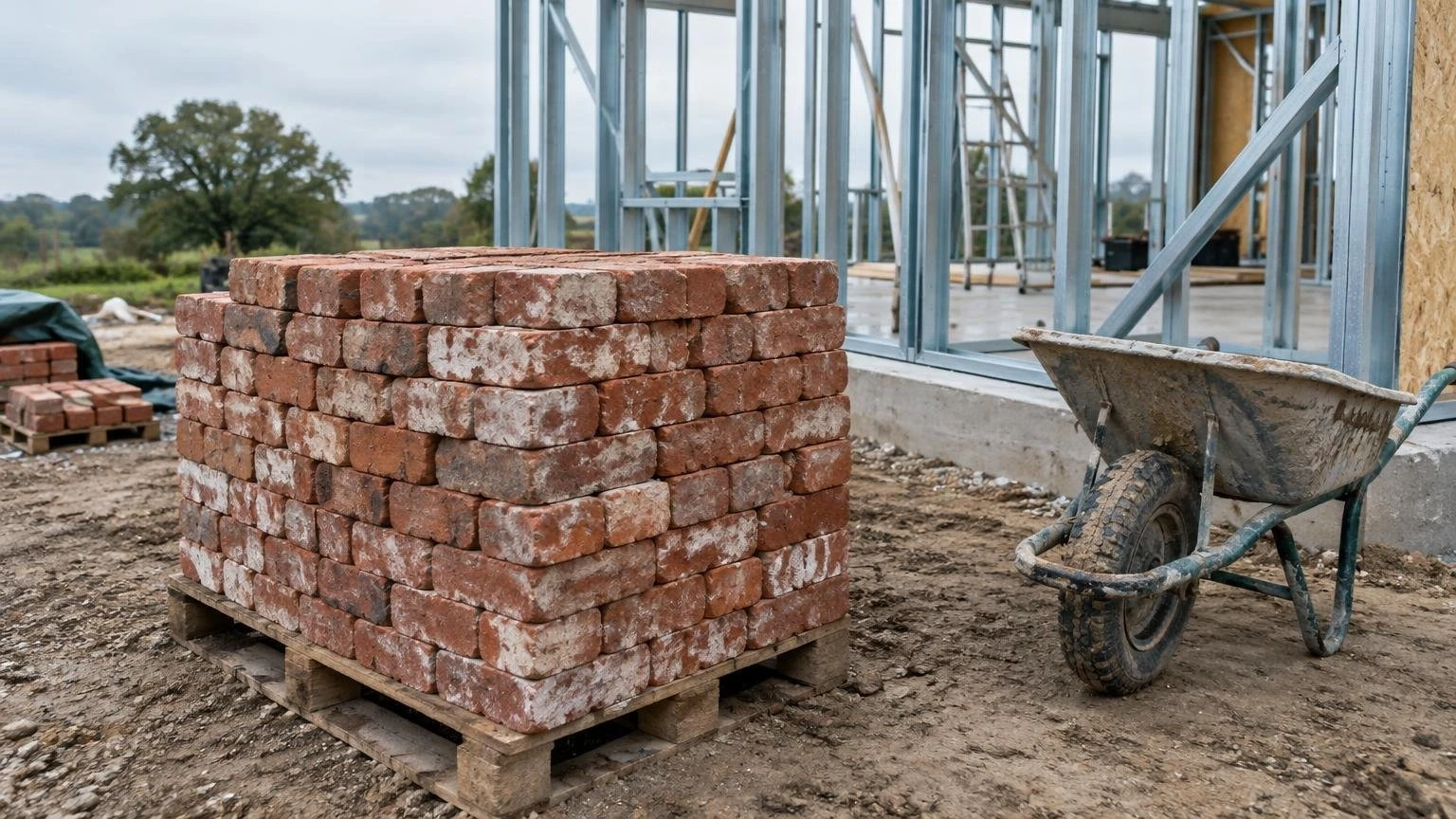
Bricks/concrete are very durable; old bricks can be restored for re-use and crushed concrete is typically converted into roadbase/new concrete; therefore inquire about utilizing recycled aggregate in your project.
Select cladding/roofing assemblies that are constructed to last and enable repair of individual panels. Full-wall/full-roof replacement due to failure of a single component results in significantly more waste than targeted repairs.
Inside the Home
Interior waste usually stems from short-lived interior finish materials. Classic/durable selections for floors/benchtops/joinery reduce renovation frequency/material sent to landfills over time.
Consider flooring with recycled content or reclaimed timbers that give old boards another opportunity at life. Keep plasterboard off-cuts away from other waste on-site to increase the likelihood that they can be recycled.
Chemicals/paint/adhesives/sealants also play a role in creating landfill-bound waste. Purchase only the quantities required and select products packaged in recyclable containers to limit chemical leftovers/tin cans generated.
Outdoor Spaces and Decking
Due to exposure to sun/rain/frequent pedestrian usage, exterior surfaces require high levels of durability. While untreated timber decking is prone to weather-related damage/cracking/replacement, outdoor composite decking made from recycled plastics and reclaimed wood fibers provides an alternative that offers a low-maintenance, extended-service-life solution.
The same sustainability-oriented approach can be applied to fencing/paving/garden edging. Recyclable-content pavers/reclaimed-brick/gardening-materials are available that will ultimately reduce landfill waste produced by outdoor spaces.
Working With Your Builder to Cut Waste
Building design/build processes also impact the quantity of waste created. Communicate with your builder regarding waste management strategies prior to commencing your project.
For example, many custom home builders Brisbane homeowners now plan designs around standard material sizes, order more accurately and separate site waste so timber, metal, cardboard and concrete can be recycled.
- Are there plans for managing site-generated waste?
- Do you recycle site-generated materials?
- Will you arrange returns of unused materials to suppliers?
- How would you handle debris generated from demolishing any pre-existing structures?
Builders who take waste management seriously can also benefit their clients financially. Lower disposal costs/lower quantities ordered = lower final invoice price.
Packaging and Deliveries
Waste from packaging is easily overlooked. Pallets/plastic wraps/cardboard/straps can rapidly accumulate and fill a skip during peak periods on active building sites.
- Ask suppliers if they will accept pallets/packages after receiving materials.
- Group orders so that deliveries occur with fewer trips with greater loads.
- Store materials under cover/off the ground to prevent damage caused by weather (damage is a leading cause of valuable materials ending up in landfill).
Think About the End of Life
Products installed today may potentially be difficult to remove from a location when the decision to remove them is made. Products assembled with screws/clips allow for simpler disassembly/recycling than products adhered/glued/bonded together.
Create a basic list of primary materials included in your home. Should you desire to undertake additional remodeling projects in twenty years — and wish to preserve materials/resources for potential reuse/recycling — the knowledge of what lies behind the walls and beneath the floors simplifies this endeavor.
Building for the Long Term
Selecting building materials that minimize waste entering landfills involves adopting a few relatively straightforward principles: purchase durable/reused-recycled-content products, purchase only as much as needed, collaborate with a builder who separates waste from a jobsite, and contemplate what will happen to each material at the conclusion of its useful life. Each positive choice leads to less waste ultimately going into a landfill.