
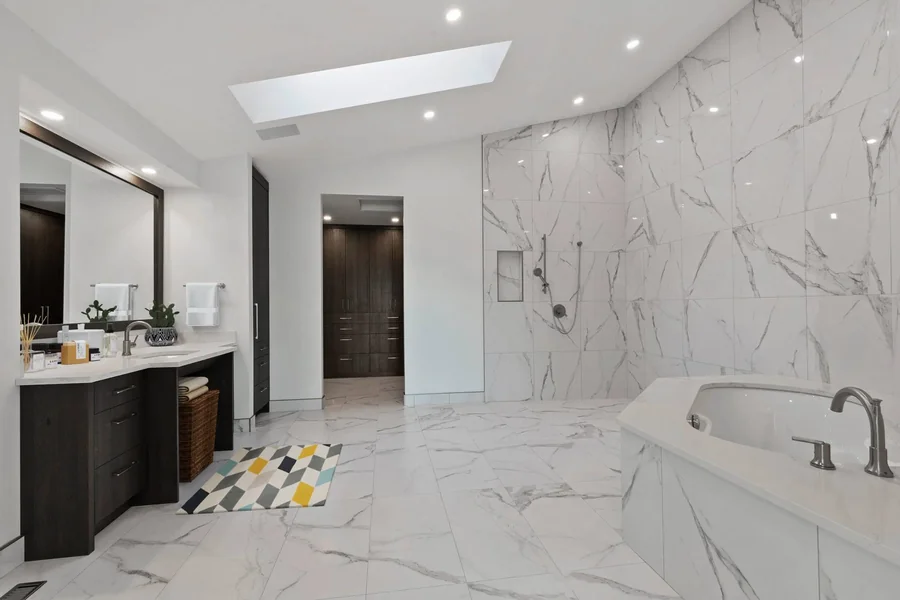
Aging in place allows seniors to maintain their independence, dignity, and personal comfort in familiar surroundings throughout their golden years. However, most traditional homes were built without universal accessibility in mind, featuring narrow doorways, steep staircases, high tub walls, and inadequate lighting. Retrofitting your home proactively—before physical limitations or sudden health changes occur—ensures that necessary modifications are executed thoughtfully rather than during a stressful medical crisis. By implementing strategic home upgrades today, you transform your living environment into a safe, accessible sanctuary for the future.
Create Barrier-Free Entryways and Eliminate Tripping Hazards
The transition from the outdoors into your home’s main interior should be effortless and safe for individuals of all mobility levels. Exterior steps, uneven stone walkways, and raised door thresholds present immediate tripping hazards for aging adults and create physical barriers for anyone using a cane, walker, or wheelchair. Modifying entryways early establishes a welcoming, barrier-free entrance for family members and future mobility equipment.
Replacing exterior steps with a gently sloped, integrated entrance ramp or a re-graded walkway creates smooth access from the driveway to the front door. Ensure ramps feature non-slip surfaces, sturdy handrails, and adequate night lighting to prevent accidental slips. Installing flush door thresholds eliminates step-over hazards at exterior entry points, allowing smooth passage for wheeled devices while maintaining a weather-tight seal against rainwater.
Inside the home, focus on simplifying floor surfaces to maximize spatial safety. Remove loose throw rugs or secure them firmly with double-sided rug tape, as loose edges are a leading cause of home falls among older adults. Replacing thick, plush carpets with hard-surface flooring materials—such as luxury vinyl plank, natural hardwood, or non-glare porcelain tile—reduces rolling resistance for mobility devices and creates a smooth, easy-to-clean foundation across all living zones.
Modify Bathrooms for High Safety and Effortless Hygiene
Bathrooms represent the most critical zone for aging-in-place modifications, as slippery tiled floors, hard porcelain fixtures, and narrow layout configurations present severe fall risks. Converting a traditional bathroom into a universal design space eliminates physical hazards, fostering complete privacy and personal independence during daily hygiene routines.
Replace traditional step-in bathtubs or high-curb shower stalls with a zero-entry, curbless roll-in shower. Curbless showers feature gently sloped subfloors and linear drains, eliminating step-over hazards entirely. Incorporate built-in wall seating, an adjustable handheld shower wand, and thermostatic mixing valves that prevent accidental water scalding. Installing blocking behind shower walls during renovations ensures heavy-duty, ADA-compliant grab bars can be anchored securely directly into wall studs.
Upgrading to comfort-height toilets, positioned seventeen to nineteen inches above the floor, reduces knee and hip strain when sitting or standing. Installing wall-hung floating vanities provides comfortable knee clearance underneath for seated users, while lever-handle or sensor-activated faucets eliminate the need to twist traditional knobs with arthritic hands. Thoughtful bathroom retrofits convert high-risk spaces into safe, luxurious personal retreats.
Anchoring Reinforced Grab Bars Proactively
Installing structural wood blocking behind bathroom drywall during initial remodeling projects enables easy mounting of heavy-duty grab bars whenever needed.
Pre-placing wall support anchors saves thousands of dollars in future wall teardowns. Stylish, multi-functional grab bars double as towel racks without looking institutional.
Designing Zero-Entry Curbless Shower Systems
Curbless shower enclosures utilize seamless glass panels and continuous floor tiling to create spacious, barrier-free bathing environments.
Eliminating shower curbs prevents trips and simplifies daily bathroom maintenance. Universal shower design unifies high safety standards with high-end aesthetic appeal.
Enhance Multi-Story Mobility and Floor-to-Floor Transport
Navigating multi-level homes becomes increasingly challenging as joint stiffness, balance changes, or cardiovascular strain impact physical stamina. Staircases are often the single largest physical barrier in a multi-story house, restricting access to upper-floor bedrooms, laundry facilities, and main living areas. Planning for vertical mobility guarantees that every square foot of your home remains accessible throughout your lifetime.
If your multi-story layout permits, consider reorganizing primary living spaces onto the ground floor. Converting a main-level den or office into a primary bedroom suite with an adjacent full bathroom allows for single-level living if stairs become difficult to navigate. Ensuring main-floor laundry access further streamlines daily household tasks without requiring trips to lower-level basements.
For multi-story homes where relocating living quarters is impractical, vertical transport systems offer a permanent solution. Modern engineering has made affordable home elevators such as those available in Reno, NV, a highly practical option for multi-story residential properties. Compact pneumatic or shaftless residential elevators require minimal structural modifications, fitting neatly into closet stack alignments or room corners to deliver smooth, safe transport between floors. Alternatively, motorized stair lifts provide reliable, budget-friendly transportation along existing stairways.
Evaluating Compact Shaftless Residential Lifts
Shaftless residential elevators operate within minimal footprints, passing directly through ceiling cutouts without requiring dedicated machine rooms or deep pit excavation.
Compact vertical lifts preserve surrounding floor space while offering effortless transportation. Modern residential elevators integrate seamlessly into existing home architecture.
Converting Ground-Floor Spaces for Single-Level Living
Planning main-floor room conversions early ensures your home easily adapts if temporary or permanent mobility changes occur.
Designing flexible first-floor office spaces with adjacent full baths preserves options for future single-level living. Proactive space planning preserves long-term home functionality.
Re-Imagine Kitchen Ergonomics and Appliance Accessibility
The kitchen is the heart of the home, yet standard upper cabinets, deep lower shelving, and high microwave placements create physical strain for older adults. Modifying kitchen ergonomics according to universal design principles ensures that meal preparation, cooking, and cleanup remain safe, comfortable, and independent activities as physical strength evolves.
Replace traditional deep lower base cabinets with full-extension pull-out drawers and roll-out storage trays. Full-extension drawers bring pots, pans, and dry goods directly out into clear view, eliminating uncomfortable bending, kneeling, or reaching into dark cabinet bases. Installing motorized or mechanical pull-down shelf inserts inside upper wall cabinets brings stored items down to comfortable reaching levels automatically.
Select kitchen appliances designed for accessible, effortless operation. Side-by-side or French-door refrigerators place frequently used fresh foods within easy reach, while front-control induction cooktops eliminate the need to reach across hot burners. Induction technology heats magnetic cookware directly while keeping surrounding glass surfaces cooler to the touch, drastically reducing accidental burn risks during meal preparation.
Utilizing Pull-Out Drawer Systems for Base Cabinets
Full-extension drawer glides support heavy stockpots and baking dishes, sliding open smoothly with minimal physical effort.
Storing heavy cookware in accessible drawers prevents back strain and accidental drops. Pull-out cabinetry maximizes kitchen storage efficiency.
Selecting Front-Control Induction Cooktops
Induction cooktops feature smooth glass surfaces and front-mounted touch controls that prevent accidental contact with hot surfaces.
Rapid, precise heating technology boils water quickly while reducing kitchen ambient heat. Induction cooktops combine culinary precision with superior kitchen safety.
Improve Lighting, Doorways, and Environmental Controls
Creating a safe home for aging in place extends beyond major room renovations; minor environmental updates across hallways, doorways, and lighting systems significantly impact daily safety and comfort. Aging eyes require higher light levels to process visual details clearly, making bright, non-glare illumination essential throughout the house.
Upgrade interior lighting schemes by installing bright, energy-efficient LED fixtures, motion-activated nightlights along baseboards, and under-cabinet task lighting in kitchens. Replace traditional toggle light switches with large, easy-to-use rocker switches or smart motion sensors that turn lights on automatically when someone enters a room. Ensure all hallways and stairways feature dual light switches at both ends to illuminate pathways before walking.
Widen interior doorways and hallways to at least thirty-six inches to accommodate mobility equipment comfortably. Swapping standard door hinges for specialized swing-away hinges adds up to two inches of clear clearance without expensive structural wall alterations. Replace traditional round interior doorknobs with ergonomic lever handles, which require minimal hand strength to operate compared to twisting traditional knobs.
Installing Motion-Activated Baseboard Nightlights
Placing low-profile LED nightlights along hallway corridors and bathroom pathways prevents midnight trips and stumbles in the dark.
Automatic light sensors activate illumination softly when movement is detected, guiding nighttime footsteps safely. Strategic accent lighting enhances night safety.
Swapping Doorknobs for Ergonomic Lever Handles
Lever-style door handles allow doors to be opened effortlessly using an elbow or loose grip, accommodating individuals with arthritis or reduced hand strength.
Upgrading interior hardware across all doors is a fast DIY project that improves daily accessibility immediately. Lever handles provide sleek, functional luxury.
Integrate Smart Home Automation and Emergency Systems
Modern smart home technology offers unprecedented opportunities to support safe, independent living for seniors while providing peace of mind for family members. Automated home controls allow residents to manage their environment, communicate with loved ones, and access emergency assistance effortlessly from anywhere in the house.
Integrate voice-activated smart home assistants that allow residents to adjust ambient thermostats, turn lights on and off, lock exterior doors, and operate window shades using simple voice commands. Voice controls eliminate the need to walk across rooms or reach for high switches, reducing fall risks. Smart video doorbells enable residents to see and speak with visitors at the front door using smartphones or voice screens without standing up.
Incorporate smart emergency monitoring technology, such as wearable personal alert pendants, automated fall-detection sensors, and connected smoke and carbon monoxide detectors. Smart water leak sensors and automatic shut-off valves prevent costly household flooding if faucets are left running accidentally. Leveraging smart automation empowers aging adults to live confidently, securely, and independently in their cherished homes.
Voice-Controlled Environmental Regulation
Voice-activated smart hubs allow residents to adjust home temperatures, manage lighting, and set reminder alarms without leaving comfortable seating.
Automated voice commands empower individuals with limited mobility to manage home systems independently. Smart controls enhance daily living comfort.
Automated Emergency Alert and Sensor Networks
Wearable emergency buttons and fall-detection sensors connect residents directly to medical response centers or family members during health crises.
Connected environmental sensors alert remote caregivers to unusual activity patterns or sudden safety hazards automatically. Automated safety networks provide lasting family peace of mind.
Conclusion
Aging in place successfully is a proactive journey that begins long before physical mobility needs arise. By establishing barrier-free entryways, retrofitting bathrooms with universal safety features, planning for vertical floor transport, optimizing kitchen ergonomics, improving environmental lighting, and integrating smart home automation, you future-proof your living environment. Thoughtful, early home modifications protect your physical safety, preserve your personal independence, and ensure your home remains a safe, comfortable, and cherished sanctuary for decades to come.
2 Comments