

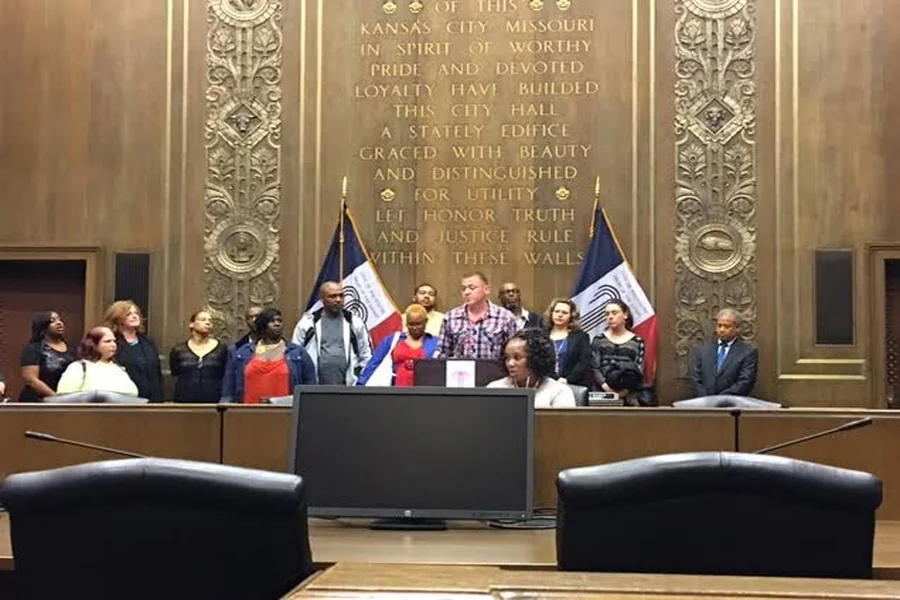
Participation in Wellness Court involves more than simply attending hearings. Participants must follow the rules of the court, attend therapy, and strive toward goals that lead to sustainable change. For Kansas City, Missouri residents, understanding these tasks can help make the road ahead look a little clearer. Court compliance involves abiding by the rules laid out by the judge and the program team. These rules could include treatment, drug testing, court appearances and daily routines. Each participant’s plan is tailored to their needs, circumstances, and program requirements. It can be a rigorous process at times. Yet clear regulations mean that participants know what is expected of them. But with consistent effort and the proper assistance, they can move toward recovery and a more secure life.
What is the Kansas City Wellness Court?
Wellness Court is a Kansas City specialty courts program that serves eligible individuals with cases that may entail substance use, mental health concerns, or both. It brings together court supervision with treatment and support services. The program is not solely concerned with punishment, but rather looking at the causes that might have led to a person’s legal trouble. Participants engage with court workers and care providers to follow a plan that meets their requirements. Wellness Court has its own regulations and obligations. But not everyone prosecuted or sentenced in Kansas City will qualify. They can also ask their lawyer or the court team if the program is a good fit for their case. Beyond the Bench KC is dedicated to raising awareness and encouraging community engagement in the rehabilitative purpose of Kansas City’s Specialty Courts. Its work is based on the premise that sustainable transformation starts with addressing the fundamental causes of harmful behavior.
What is court compliance?
Following the rules of participating in Wellness Court is called court compliance. These rules are part of the plan, not a checklist to go through and forget about. A participant may need to: Depending on the scenario,
- Be Present at All Court Dates and Meetings Scheduled
- Participate in approved counseling or treatment.
- Submit to drug or alcohol testing when required.
- Stay in contact with appointed court or care professionals.
- Follow norms concerning employment, school or other goals.
- Notify of changes of address or other important data as appropriate.
- Do not commit any other infractions. Obey all court directions.
The court team outlines what each participant is responsible for. If a rule is ambiguous, a person should seek for clarification rather than guessing. You are able to make phone reminders, keep a calendar and write down appointments. Little habits can help you stay on time and help with stress.
What Does the Court Do if You Don’t Comply?
The program is based on trust and consistent work, thus compliance with the court is important. If someone breaks a rule, the court team can find out what happened and then determine what to do. The Kansas City Municipal Court papers specify that participants must attend court, complete treatment regimens, interact with court coordinators and take mandatory drug tests. If you do not follow the rules of the program, you might be penalized. That might mean more court dates, more sessions, community service, incarceration or expulsion from the program. That doesn’t mean every error has the same consequence. The cause for the missed duty, the person’s record, and the rules of the program are all factors. If you are facing a sanction, or are at risk of losing your place in the program, talk to your lawyer. Being honest might help the team see what went wrong. Attempting to hide a missing appointment or failed test may make it more difficult to address the issue. The participant takes responsibility and asks for aid, which provides them with a clearer route ahead.
The significance of community backing
It’s difficult to follow court procedures when fundamental requirements aren’t being provided. Someone may wish to go to treatment, but they may have no conveyance. Another might have trouble keeping a job when they have care visits and court dates to manage. Beyond the Bench KC seeks to address practical gaps that may prevent Specialty Court participants from obtaining necessary aid. Support for housing, employment demands, travel or medical care may make it simpler to fulfil program duties. This support is consistent with Kansas City Specialty Courts’ mission to address the underlying causes of repeated justice system interaction and to help people achieve sustainable improvements. Ask your court team about services that might be available in the legal practice process. They should also notify personnel when a practical obstacle prevents them from complying. Getting help early can avoid a missed duty from becoming a bigger setback.
Frequently Asked Questions About Wellness Court Compliance
1. What does court compliance imply in the KC Wellness Court?
Short answer: It means that you follow the rules and tasks that the court and program team set.
Detailed answer: Participants may have to undergo therapy, come to court, take drug tests, and meet with staff. The specific guidelines vary based on each person’s strategy. If you do not understand a duty, ask the court coordinator to explain it.
2. What happens if a Wellness Court participant violates a rule?
Short answer : The court might issue a sanction or order greater supervision .
Detailed answer: The reaction may involve more court appearances, more meetings, community service or removal from the program, depending on the facts. Some cases could involve jail time. Participants facing a possible sanction should consult their lawyer.
3. Can a participant ask for support if they can’t meet a court requirement?
Short answer: yes. Participants need to inform their court team of the problem as soon as they can.
Detailed answer: Compliance can be harder because of job conflicts, transportation problems, housing needs or health considerations. Contact the allocated staff member and describe the barrier and what steps are allowed. Never presume a requirement is waived without getting consent.
4. Does Wellness Court completion terminate program requirements?
Short answer: Graduation signifies the individual has fulfilled the program’s completion rules.
Detailed answer: To graduate, participants must achieve the program’s goals and responsibilities. If any other court orders are still in effect after graduation, the court staff will explain. Keep copies of all final court documents.
5. Where can people go to learn more about Kansas City Specialty Courts?
Short answer: check out Beyond the Bench KC or call Kansas City Municipal Court.
Detailed answer: Beyond the Bench KC increases awareness and community support for area Specialty Courts. Learn more about Beyond the Bench KC’s purpose at beyondthebenchkc.org. You may also call the Kansas City Municipal Court at 816-513-1313 for general court information.
Better Habits, One Step at a Time
Court compliance requires strategy, honesty, and persistence. When participants understand their roles, they can prepare for appointments, meet deadlines, and request support before difficulties develop. Kansas City Wellness Court balances accountability with treatment and support. The court plan and the resources available can help individuals move toward rehabilitation and a more stable future.






1 thought on “Understanding Court Compliance in Kansas City Wellness Court Programs”