
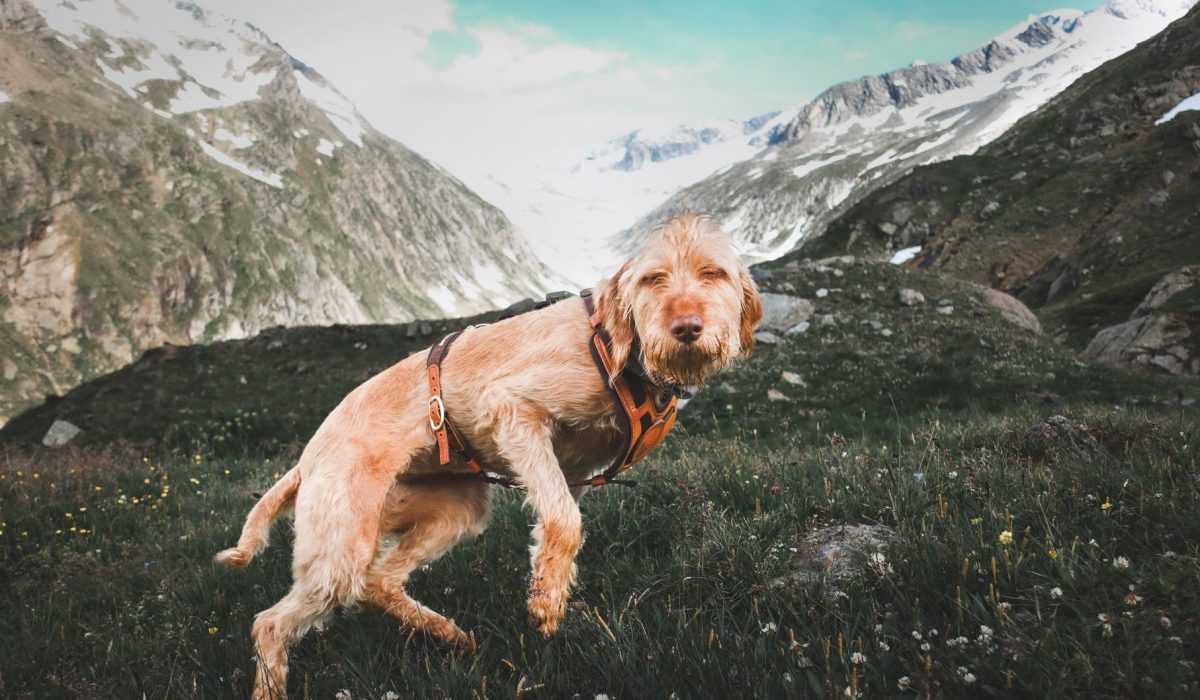
Exploring nature with a canine companion brings immense joy to pet owners and provides essential mental and physical stimulation for dogs. Heading out onto forest trails, mountain pathways, or lakeside parks allows animals to engage their senses, satisfy natural curiosity, and expend pent-up energy. Outdoor excursions strengthen the bond between humans and their pets while encouraging an active lifestyle for both.
Preparing for outdoor excursions requires careful consideration of safety, physical conditioning, weather conditions, and environmental rules. Taking the time to properly plan an outing ensures that every journey remains positive, safe, and enjoyable for everyone involved.
Preparing Your Dog for Outdoor Excursions
Before setting out on demanding outdoor journeys, dog owners must evaluate their pet’s current health status, endurance capacity, and behavioral reliability. Different breeds and age groups possess varying levels of stamina and tolerances for environmental factors.
Medical Clearances and Physical Assessment
A comprehensive veterinary checkup should precede any intense outdoor activity program. Young puppies whose growth plates have not fully closed and senior dogs with arthritic joints require modified activities that avoid excess strain on cartilage and bones.
Veterinarians can assess cardiovascular health, recommend appropriate joint supplements, and confirm that parasite preventatives against ticks, fleas, and heartworms are current. Ensuring your pet is physically capable of handling rugged terrain prevents painful injuries and long-term joint complications.
Fundamental Obedience and Behavioral Prep
Reliable recall control serves as the single most critical safety skill when exploring outdoor spaces. An obedient recall ensures that a dog will return immediately when exposed to sudden wildlife encounters, livestock, aggressive strange animals, or hazardous terrain.
Mastering basic directional commands, loose-leash walking, and a firm leave-it command protects pets from ingesting toxic plants, decaying carcasses, or venomous insects. Socialization in controlled settings prior to public wilderness trips builds confidence and decreases reactive behaviors around other trail users.
Essential Gear and Packing Protocols
Equipping a pet with proper gear improves safety and comfort during extended wilderness explorations. Packing carefully ensures readiness for unexpected weather shifts or minor trail injuries.
Harnesses, Leashes, and Identification
A well-fitted, supportive harness distributes pulling force evenly across the chest rather than putting pressure on the neck. Brightly colored or reflective harnesses increase visibility during early morning or evening hikes.
Always carry a durable, non-retractable leash. Fixed leashes ranging from four to six feet provide maximum control along narrow trail passes. Double-check that identification tags contain current phone numbers, and ensure that microchip contact details remain fully updated with registry databases.
Hydration and Nutrition Supplies
Dogs require frequent water breaks during physical exertion, even in colder winter weather conditions. Carrying dedicated collapsible bowls and clean, drinkable water prevents pets from drinking contaminated puddle water that harbors dangerous parasites like giardia.
Pack high-calorie treats or specialized energy snacks to maintain stamina during long treks. Offer small food portions regularly rather than large meals immediately before or during heavy physical exercise to avoid dangerous gastric distress.
Exploring Diverse Outdoor Environments
Varying the terrain and activity types keeps outdoor outings engaging and challenging for active working dogs. Exploring different natural landscapes presents distinct physical benefits and environmental considerations.
Forest Trails and Mountain Ranges
Wooded trails offer rich sensory experiences, shade coverage, and soft earth that is gentle on foot pads. However, forest environments harbor hidden hazards including sharp root networks, hidden drop-offs, and dense tick populations.
For mountain destinations featuring deep snow and alpine vistas, engaging in dog sled rides in Park City presents an exhilarating way to experience winter wilderness while observing highly trained working canine teams navigate snowy trails.
Aquatic Spaces and Coastal Areas
Water-loving breeds thrive near lakes, rivers, and coastal beaches. Swimming provides exceptional full-body conditioning with zero impact on delicate skeletal joints, making it ideal for high-energy dogs and aging pets alike.
Equip pets with fitted flotation devices when exploring deep or moving water currents. Always rinse salt, sand, or algae off your dog’s coat following water play to prevent skin irritation and accidental ingestion during self-grooming.
Trail Etiquette and Environmental Stewardship
Preserving access to natural areas requires pet owners to practice responsible land stewardship and respect fellow recreationists. Adhering to established trail guidelines ensures public parks remain open to canine companions.
Leave No Trace Guidelines
Pack out all canine waste without exception. Dog waste contains nitrogen and non-native bacteria that disrupt delicate wild ecosystems and contaminate local water runoff systems.
Always carry dedicated waste bags and secure them inside sealed containers or pack pockets until reaching proper trash receptacles. Leaving bagged waste along trail edges with plans to pick it up later spoils natural scenery and damages the reputation of dog owners.
Respecting Wildlife and Other Trail Users
Keep dogs on designated trails to avoid trampling fragile flora and disturbing ground-nesting wildlife species. Allowing pets to chase wild animals causes severe physiological stress and can trigger dangerous defensive attacks from larger wildlife.
Yield the trail right-of-way to downhill hikers, horseback riders, and mountain cyclists. Step off the pathway, place your dog in a controlled sit, and allow others to pass safely without unwanted interactions.