

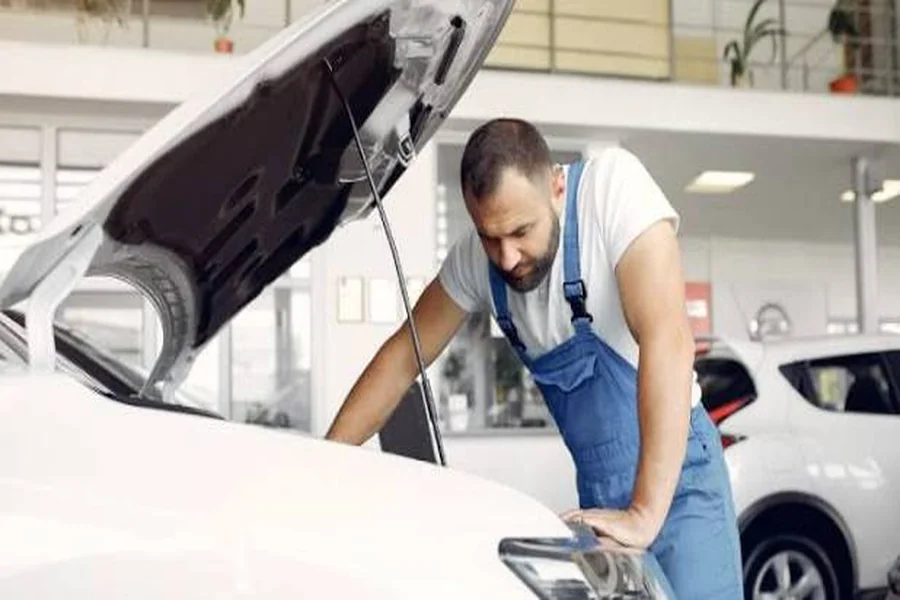
Buying a new car is a major milestone filled with excitement and a newfound sense of freedom. However, along with the keys comes the responsibility of keeping your vehicle safe, reliable, and operating efficiently. Many first-time owners view car maintenance as a daunting, highly technical chore best left entirely to mechanics. In reality, mastering a few basic car care fundamentals can prevent costly repairs, extend your vehicle’s lifespan, and give you confidence every time you hit the road.
Here is a practical, beginner-friendly guide to essential maintenance habits every new car owner should adopt.
1. Consult Your Owner’s Manual
Your vehicle’s owner’s manual is arguably the most valuable resource sitting in your glove compartment. Rather than letting it gather dust, take time to skim through its main sections. The manual outlines your car’s recommended maintenance schedule, ideal tire pressure, fluid specifications, and an explanation of every dashboard warning light. Following the manufacturer’s specific guidelines ensures you service your car at the right intervals and avoid simple, expensive mistakes.
2. Check Essential Engine Fluids Regularly
Fluids are the lifeblood of your vehicle, keeping internal systems lubricated, cooled, and functioning properly. Checking these vital fluids every few weeks takes only a few minutes:
- Engine Oil: Pull the dipstick out, wipe it clean on a cloth, reinsert it fully, and pull it out again to check the level. Fresh oil prevents friction damage and keeps engine components running smoothly.
- Coolant (Antifreeze): Inspect the fluid level in the transparent overflow reservoir near the radiator. Coolant regulates engine temperature and prevents overheating.
- Windshield Washer Fluid: Top off this reservoir regularly to ensure clear visibility during rain, snow, or dusty driving conditions.
- Brake & Power Steering Fluids: Visually check these reservoirs to verify that fluid levels remain between the minimum and maximum indicator marks.
3. Monitor Tire Pressure and Tread Depth
Tires are your car’s sole contact with the road, directly affecting handling, braking distance, and fuel economy. Check your tire pressure at least once a month using a quality tire gauge. The correct PSI (pounds per square inch) rating is located on a sticker inside the driver’s door jamb, not on the tire sidewall itself. Underinflated tires increase fuel consumption and cause uneven wear, while overinflated tires reduce road grip. Don’t forget to inspect tread depth and schedule tire rotations every 5,000 to 7,500 miles to promote balanced wear.
4. Protect Your Exterior Finish
Maintaining your car’s exterior does more than keep it looking great—it protects the bodywork from rust, oxidation, and environmental wear. Wash your car bi-weekly to remove road grime, bird droppings, tree sap, and corrosive road salt. Applying a layer of wax every few months provides a barrier against UV rays and fading. For drivers dealing with harsh winters and gravel, investing in car paint protection film in Salt Lake offers a durable, clear shield that guards high-impact areas against rock chips and scratch damage.
5. Listen to Your Vehicle and Respect Warning Lights
Modern cars feature sensors designed to alert you to potential issues before they cause severe damage. Never ignore an illuminated warning light on your dashboard, even if the vehicle seems to drive normally. A lit “Check Engine” light or low oil indicator demands prompt attention. Beyond dashboard signals, pay attention to unusual noises—such as squealing brakes, grinding sounds, or strange engine vibrations—and address them before small issues become costly mechanical failures.
6. Maintain the Cabin Interior
Interior care is crucial for driving comfort and preserving long-term resale value. Direct sunlight and dirt accelerate cabin wear, causing vinyl to crack and fabrics to fade. Vacuum carpets regularly, wipe down surfaces with automotive-safe cleaners, and consider using a windshield sunshade when parking outdoors. Fitted rubber floor mats are another easy addition that shields interior carpeting from mud, moisture, and everyday spills.
Conclusion
Basic automotive care does not have to be overwhelming or complex. By establishing routine habits around fluid checks, proper tire inflation, paint protection, and responding promptly to warning signs, you safeguard your financial investment. Treat your vehicle with consistent care, and it will reward you with safe, dependable performance for many miles to come.