

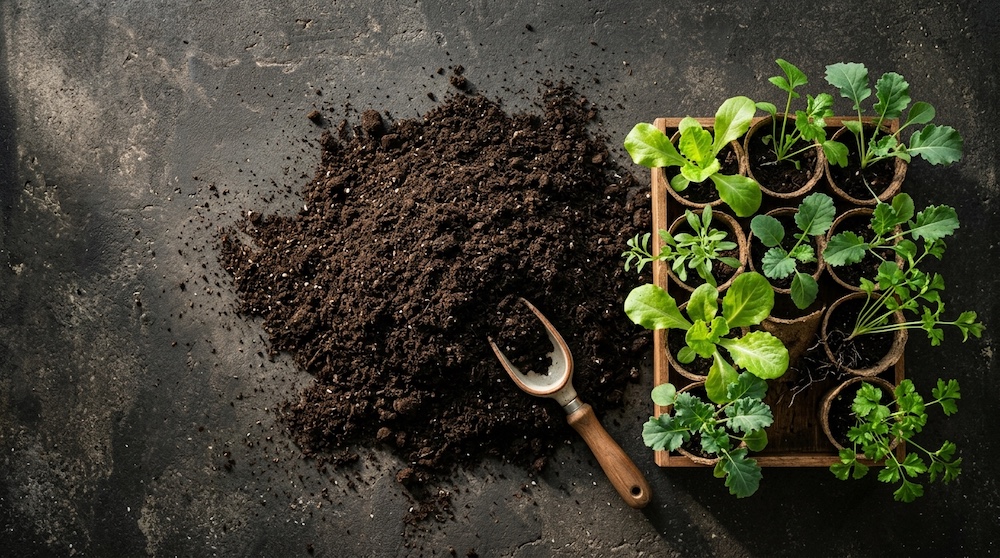
You wheel your green bin to the curb, the truck rolls by, and that’s the last you think about it. But what happens to your food scraps and yard trimmings after pickup is a surprisingly complex — and genuinely impressive — operation.
Here’s what actually goes on behind the scenes.
Step One: Collection and Transport
Municipal organics trucks are purpose-built for the job. Unlike standard garbage vehicles, organics trucks are designed to minimize cross-contamination and control odor during transit.
Once collected, green waste is transported to one of two destinations:
- Composting facilities — for yard trimmings, food scraps, and mixed organics
- Anaerobic digestion plants — increasingly common for food waste specifically
The routing decision depends on your municipality’s infrastructure and what materials are in the bin.
What Happens at the Composting Facility
Intake and Contamination Screening
The first stop is the tipping floor, where loads are dumped and inspected. Staff and automated systems scan for contaminants — plastic bags, glass, and non-compostable materials that residents accidentally include.
This is the most labor-intensive part of the process. Contamination is a serious problem — even small amounts of plastic can render a batch unusable.
Grinding and Shredding
Clean organic material is fed through industrial shredders that break everything down into uniform particle sizes. Smaller particles decompose faster and more evenly.
Woody material like branches gets chipped separately and often blended in as a carbon-rich bulking agent.
Active Composting
Shredded material is formed into long windrow piles and left to decompose. Industrial composting runs hotter than backyard bins — temperatures regularly reach 130–160°F, which:
- Kills pathogens and weed seeds
- Accelerates microbial breakdown
- Produces finished compost in weeks rather than months
Windrows are turned mechanically on a regular schedule to maintain oxygen levels and even heat distribution.
Curing and Quality Testing
After active composting, the material enters a curing phase — a slower maturation period that stabilizes nutrients. Finished compost is then screened to remove any remaining large particles before quality testing.
Certified compost must meet strict standards for pathogen levels, heavy metal content, and maturity before it can be sold or distributed.
The Alternative Route: Anaerobic Digestion
Some municipalities send food waste to anaerobic digestion (AD) facilities instead of traditional composting. AD breaks down organic material in sealed, oxygen-free tanks — producing two valuable outputs:
- Biogas — captured and converted into electricity or renewable natural gas
- Digestate — a nutrient-rich slurry used as liquid fertilizer
Anaerobic digestion is particularly efficient for wet food waste and is becoming a preferred option as cities look to extract maximum energy value from organic streams.
Where Does the Finished Product Go?
Agriculture and Farming
The largest end market. Finished compost is sold to farms as a soil amendment, reducing dependence on synthetic fertilizers.
Landscaping and Land Restoration
Compost is used in highway revegetation, park maintenance, and erosion control projects across municipalities.
Retail Bagged Products
Excess compost is often bagged and sold through garden centers — sometimes branded under the city’s own label.
Why Bin Contamination Matters More Than You Think
Every piece of plastic in the green bin creates downstream problems — halting machinery, failing quality tests, and increasing processing costs. Clean source separation at the household level directly determines the quality and volume of compost a facility can produce.
What you put in the bin isn’t just your waste. It’s a raw material that feeds farms, parks, and landscapes across your region.
That green bin is worth treating with a little more intention.