
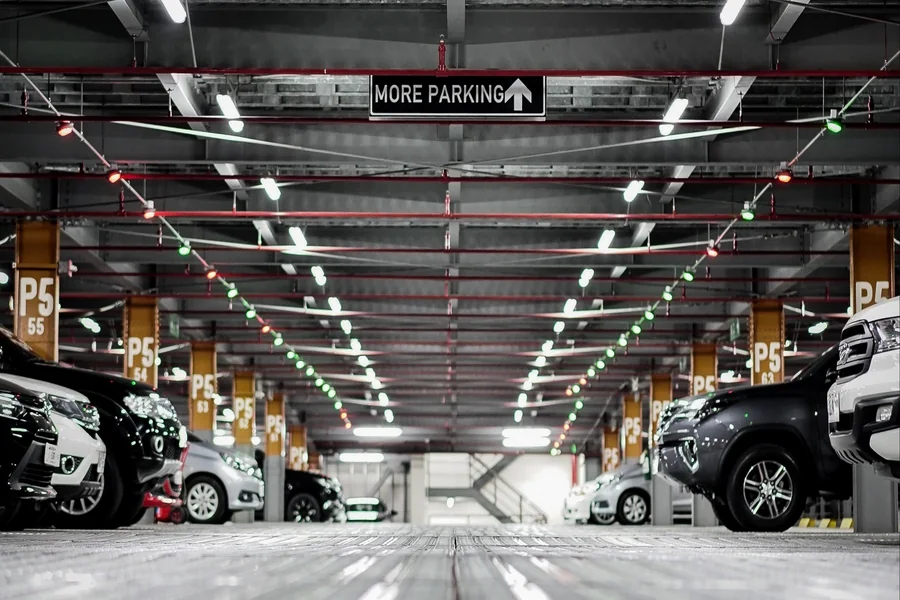
A commercial parking lot is frequently the primary physical touchpoint that customers, employees, and visitors have with a business or facility. Despite serving as routine transit spaces, these areas are dynamic hubs where vehicles, delivery trucks, and pedestrians constantly cross paths. Because of this high volume of movement, parking lots are statistically prone to fender-benders, slip-and-fall injuries, and property damage claims if safety is overlooked.
Transforming a parking lot into a secure, navigable environment does not require a complete structural overhaul. Instead, taking simple, proactive steps can dramatically reduce liability, protect your physical assets, and foster a welcoming atmosphere for everyone who arrives.
1. Maintain Pavement Integrity and Smooth Surfaces
The physical condition of your pavement forms the foundation of property safety. Potholes, sudden surface drops, and widespread cracks create immediate tripping hazards for pedestrians while increasing the likelihood of vehicle tire or suspension damage. Moisture from rain and snow melt can settle into minor pavement imperfections, leading to expanding cracks during freeze-thaw cycles that destabilize the underlying ground.
Scheduling routine inspections helps identify surface degradation early before major damage develops. Investing in timely maintenance, such as professional asphalt crack repair in Utah, prevents water infiltration and stops small fissures from turning into hazardous potholes. By keeping paved surfaces level and smooth, property managers eliminate major trip-and-fall liabilities and extend the total lifespan of their asphalt investment.
2. Enhance Visibility with Strategic Lighting
Poor lighting is a leading contributor to nighttime vehicle collisions, pedestrian missteps, and security incidents in commercial spaces. When drivers cannot clearly see pedestrian crosswalks or parking stall boundaries, the likelihood of an accident increases substantially. Bright, uniform illumination across all sections—including entryways, side corners, stairwells, and perimeter walkways—creates a secure environment.
Upgrading to energy-efficient LED fixtures provides crisp, reliable lighting while lowering monthly operational costs. Additionally, keeping surrounding trees, shrubs, and architectural landscaping neatly trimmed ensures that overhead lights remain unobstructed and potential blind spots are eliminated.
3. Establish Clear Signage and Fresh Line Striping
Unclear traffic patterns breed driver confusion, often resulting in sudden stops, improper turns, and avoidable collisions. Well-defined pavement markings and strategically placed signs organize the flow of traffic and ensure that both drivers and pedestrians move predictably.
Key signage considerations include:
- Speed Limits and Stop Signs: Placed at key intersections and near building entrances to enforce low driving speeds.
- Directional Arrows: Painted clearly on the surface to guide one-way traffic flow and reduce aisle congestion.
- ADA Accessibility Markings: Brightly repainted handicap spaces and loading zones that comply with accessibility guidelines.
High-contrast, reflective paint allows drivers to see guidelines clearly, even during heavy rain or nighttime hours.
4. Implement Traffic-Calming Measures
Excessive speed is a persistent danger in large or open parking facilities. Introducing physical traffic-calming features forces drivers to slow down and stay vigilant, particularly near high-density foot traffic zones.
Speed bumps, curb extensions, and protective bollards effectively reduce vehicle speed without causing unnecessary traffic jams. Designating distinct crosswalks and installing raised sidewalks give pedestrians a protected path when transitioning from their parked vehicles to the main building entrance.
5. Prioritize Security and Seasonal Upkeep
A comprehensive parking lot safety plan addresses both physical layout hazards and security concerns. High-visibility surveillance cameras and regular security patrols act as effective deterrents against theft, vandalism, and unauthorized access.
Furthermore, seasonal weather changes demand active maintenance routines. Prompt snow removal, salting or sanding icy walkways, and clearing storm drains prevent dangerous slip-and-fall hazards and eliminate standing water buildup.
Conclusion
Improving parking lot safety is an ongoing commitment that yields immediate dividends in property value, risk mitigation, and visitor confidence. By prioritizing smooth pavement maintenance, bright lighting, clear signage, and seasonal upkeep, you create an efficient and secure environment from entry to exit. Taking proactive steps today ensures a safe and welcoming space for your business tomorrow.
1 Comments