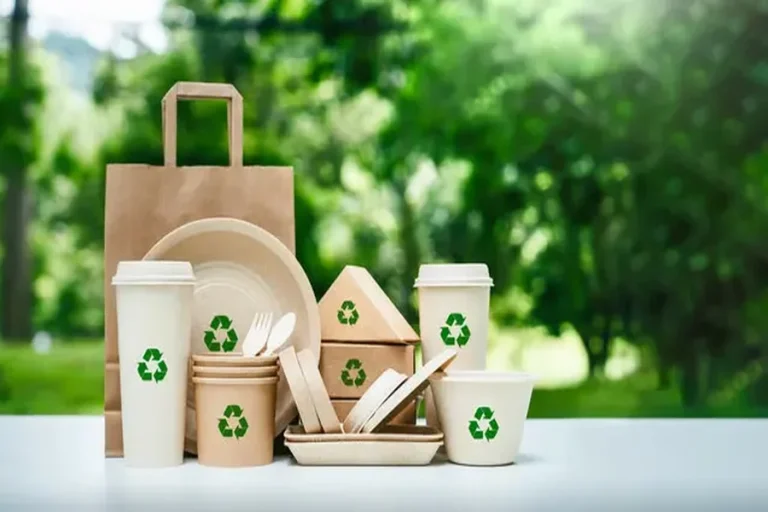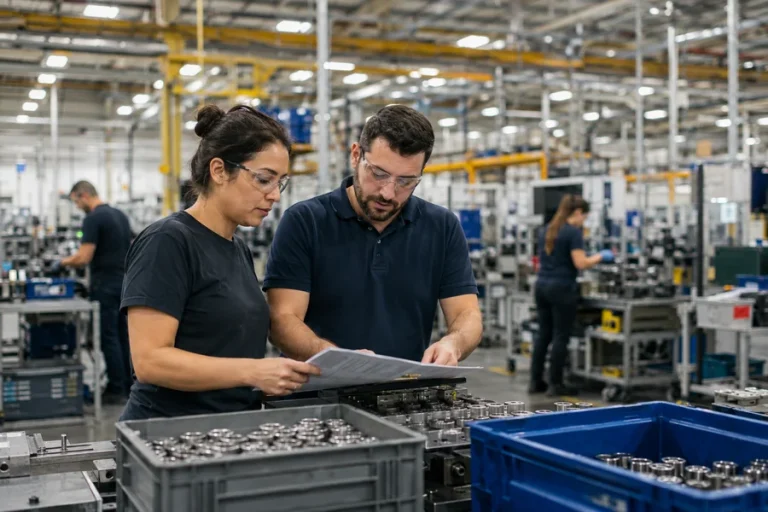


Northern California businesses have always been early adopters. But the latest shift isn’t about tech — it’s about procurement. Companies across the region are rethinking how they source, buy, and manage materials before waste even enters the building.
Designing out waste at the procurement stage is cheaper, cleaner, and increasingly competitive.
Why Procurement Is the Right Place to Start
Most waste reduction strategies focus on what happens after materials arrive. Sustainable procurement flips that logic — solving the problem at the source.
When businesses buy smarter, they generate less waste, spend less on disposal, and often negotiate better supplier terms in the process.
Here’s how Northern California businesses are doing it right now.
5 Practical Ways Businesses Are Designing Out Waste
1. Supplier Scorecards With Waste Criteria
Businesses in the Bay Area and Sacramento corridor are adding environmental performance metrics to their vendor evaluation process. Suppliers are now scored on:
- Packaging minimization
- Take-back program availability
- Recycled content percentage in materials
This shifts procurement decisions away from price-only thinking — and puts pressure on suppliers to compete on sustainability.
2. Bulk and Concentrated Purchasing
Several Northern California food manufacturers and cleaning product distributors have switched to bulk and concentrated purchasing agreements. The result:
- Dramatically less packaging waste per unit
- Lower per-unit cost at volume
- Fewer deliveries, reducing carbon footprint
One straightforward swap — concentrated cleaning solution instead of pre-diluted — can eliminate hundreds of plastic containers annually for a mid-size facility.
3. Closed-Loop Supplier Agreements
Some businesses are negotiating take-back clauses directly into supplier contracts. Under these agreements, suppliers collect and reuse their own packaging, pallets, and containers after delivery.
This model is gaining traction across:
- Restaurant supply chains in San Francisco
- Retail distribution networks in the Central Valley
- Biotech lab suppliers in the Silicon Valley corridor
The supplier handles end-of-life logistics — the buyer avoids disposal costs entirely.
4. Digital-First Procurement to Eliminate Paper Waste
Northern California companies are aggressively replacing paper-based procurement processes with digital systems. Purchase orders, delivery receipts, compliance documents, and invoices are now fully digital across many mid-size operators.
Beyond the obvious paper reduction, digital procurement enables:
- Better data tracking on what’s being ordered vs. used
- Early identification of over-ordering patterns
- Reduced storage waste from excess inventory
5. Local and Regional Sourcing to Cut Packaging Intensity
Long supply chains require heavy protective packaging. Businesses sourcing locally — from farms in the Central Valley or manufacturers in the greater Sacramento area — are finding that shorter transit distances mean:
- Less protective packaging needed per shipment
- Fresher materials with less spoilage waste
- Stronger supplier relationships with more flexibility
Several Northern California grocery cooperatives have formalized local-first procurement policies, with measurable reductions in inbound packaging waste year over year.
The Procurement-Waste Connection Most Businesses Miss
Every Purchase Is a Waste Decision
The materials a business buys today become the waste it manages tomorrow. Procurement teams that understand this shift from being cost centers to becoming strategic waste-reduction drivers.
Supplier Relationships Are Leverage
Sustainable procurement works best when buyers use their purchasing power intentionally. Long-term supplier relationships — especially with local vendors — create room to negotiate waste-reducing terms that transactional buying never allows.
Start With One Category
Northern California businesses seeing the best results don’t overhaul procurement overnight. They pick one category — packaging, paper, food inputs — and apply sustainable criteria there first.
The savings and process insights from that single category create the blueprint for everything else.
Waste designed out at procurement is waste that never has to be managed.