Every year, thousands of volunteers pull on gloves, grab trash bags, and head to the shorelines and riverbanks of Northern California. No corporate sponsorship required. No government mandate necessary. Just neighbors who decided that the places they love deserve better than what’s washing up on them.
This is what grassroots environmental action actually looks like.
Why Cleanup Days Matter Beyond the Trash Collected
The tonnage pulled from beaches and riverbanks is impressive. But the real value of organized cleanup days runs deeper than the debris count.
They reveal the waste problem at its source. Every item collected is data — where it came from, what materials dominate, which communities are most affected. That data drives better local policy, smarter waste education, and more targeted prevention.
They build environmental identity in communities. When a family spends a Saturday morning cleaning a stretch of the American River or the Sonoma Coast, that place becomes personal. People protect what they feel connected to.
What Northern California Cleanup Days Look Like on the Ground
The Coastline Events
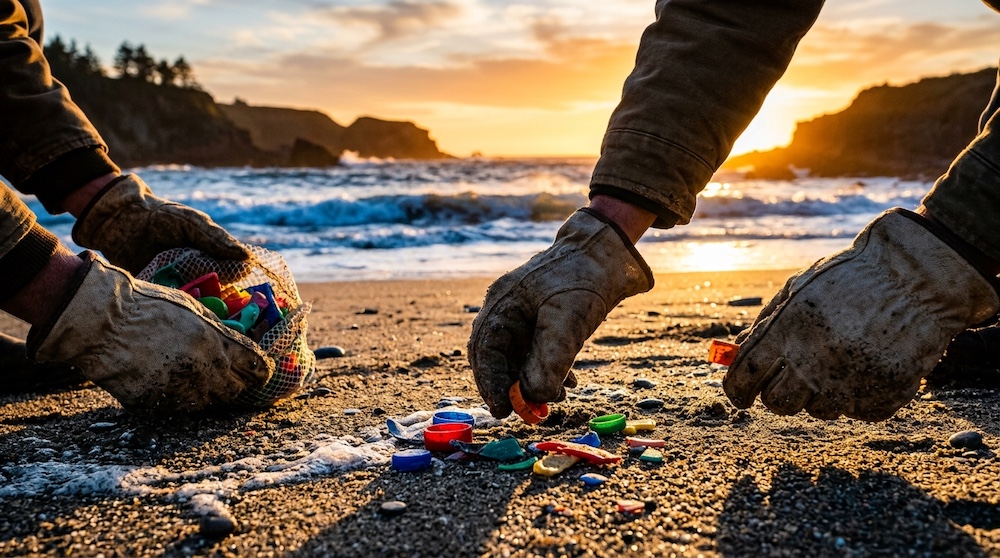
From Crescent City down to Santa Cruz, coastal cleanup days draw volunteers across every demographic. Organized primarily through the California Coastal Commission’s Coastal Cleanup Day — held annually each September — these events cover beaches, bluffs, and coastal access points simultaneously.
What volunteers typically find:
- Single-use plastic packaging and beverage containers
- Fishing line, nets, and gear
- Foam fragments from food serviceware
- Cigarette filters — consistently the most collected item statewide
The River and Waterway Events
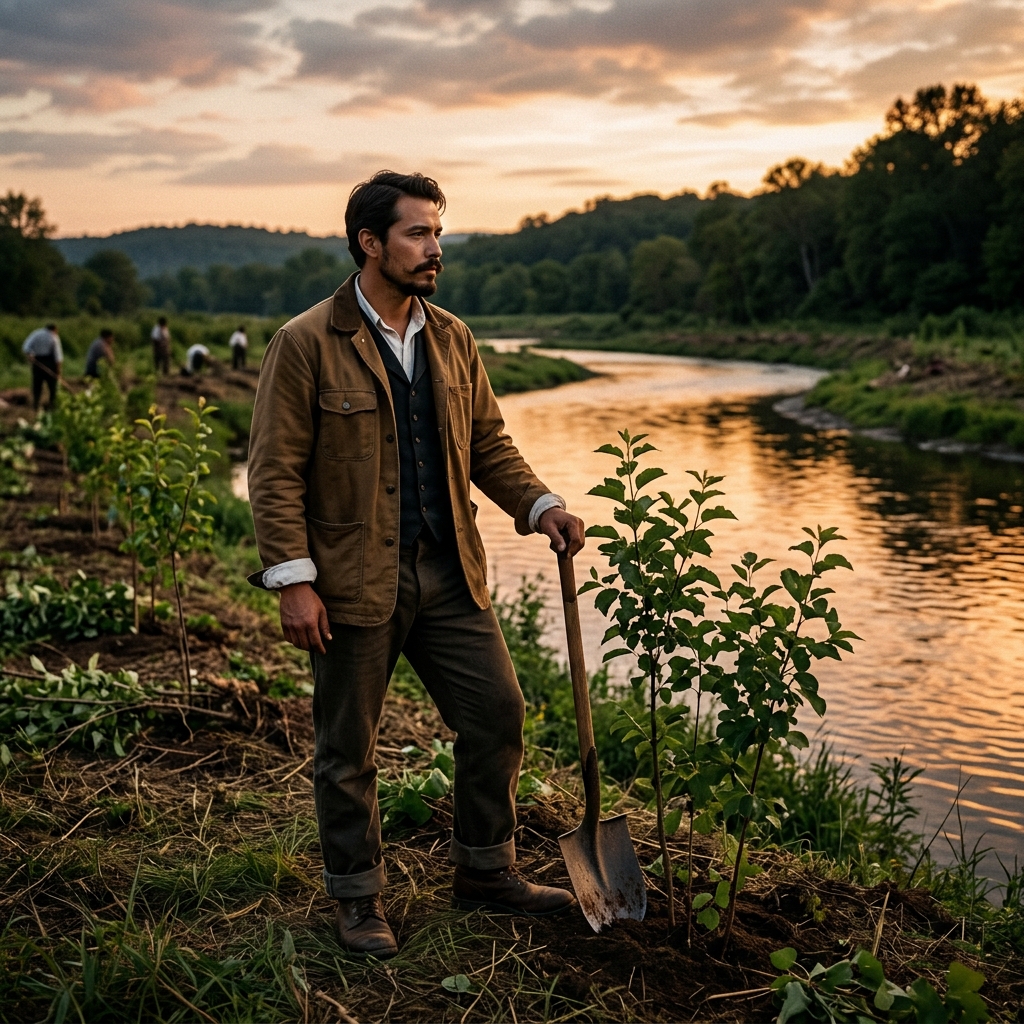
Inland cleanup days focus on California’s river corridors — the Sacramento, American, Feather, and Trinity rivers among them. These events are often organized at the regional level by watershed councils, land trusts, and local conservation groups.
River cleanups carry particular urgency. Debris collected from waterways would otherwise travel downstream, ultimately reaching the coast and ocean. Stopping waste in the river system is prevention, not just cleanup.
Who Shows Up and Why It Works
The Volunteer Mix
Northern California cleanup days attract an unusually wide cross-section of participants:
- School groups fulfilling service hours
- Corporate teams meeting sustainability commitments
- Fishing and outdoor recreation clubs protecting their habitat
- Individual families making it an annual tradition
That diversity of motivation is a feature, not a complication. Every reason to show up is a valid one.
What Makes the Organization Work
Successful cleanup days share a common operational backbone:
- Pre-mapped zones so volunteers aren’t duplicating effort
- Supplied equipment — bags, gloves, grabbers — so participation requires nothing but time
- Waste sorting stations to separate recyclables from landfill-bound debris
- Data collection sheets to log item types and quantities for annual reporting
The logistics are unglamorous but essential. A well-organized cleanup collects dramatically more material than an unstructured one.
How to Get Involved This Year
Find Your Local Event
The California Coastal Commission publishes a full event directory ahead of each September cleanup. Inland river events are typically coordinated through regional watershed groups — a quick search for your local waterway organization will surface upcoming dates.
Go Beyond the Single Day
The most committed volunteers don’t stop at one annual event. Many watershed groups run monthly or quarterly cleanups at specific access points that never make the headline events.
The Bigger Picture
No single cleanup day solves the plastic problem. But every bag of debris pulled from a riverbank or beach is waste that won’t fragment into microplastics, won’t entangle wildlife, and won’t wash into the Pacific.
The annual cleanup days of Northern California are proof that collective local action — unglamorous, unhurried, and community-driven — still moves the needle.
Show up once. You’ll likely come back.