
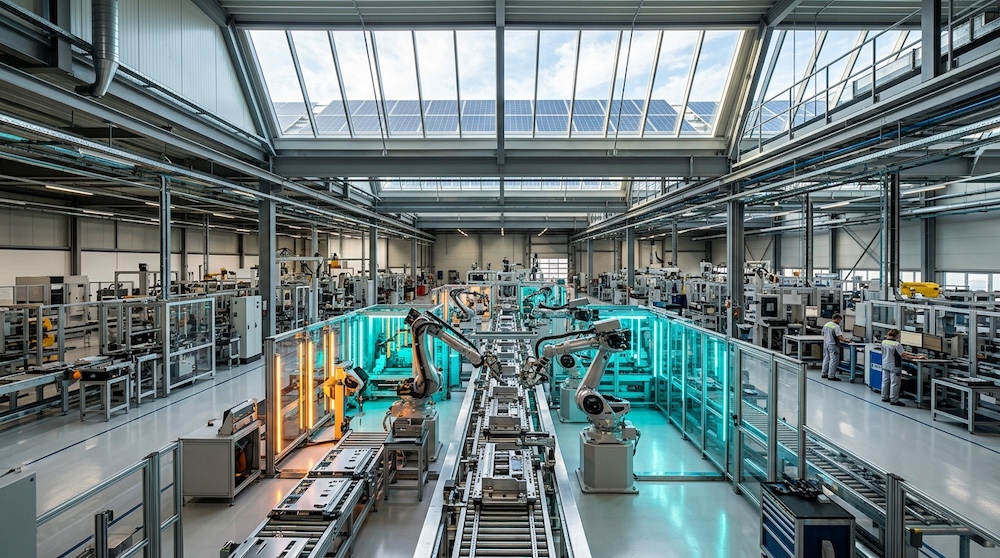
Most sustainability stories start with a big announcement and end with a vague commitment. This one starts with a factory floor, a rising waste disposal bill, and a plant manager who decided to do something about it.
What followed was a methodical, department-by-department transformation that made the operation leaner, cleaner, and more competitive — without disrupting a single production run.
Why Local Manufacturers Are Uniquely Positioned to Lead
Large corporations have sustainability teams, consultants, and public relations budgets. Local manufacturers have something more powerful — direct relationships with their community, suppliers, and workforce.
That proximity makes change faster, accountability higher, and impact more visible. When a local manufacturer goes sustainable, the whole supply chain feels it.
The Roadmap: Six Phases That Actually Work
Phase 1: Baseline Before Action
Before any initiative launched, the team spent thirty days measuring:
- Energy consumption by department and shift
- Water usage across production and sanitation
- Waste volume by material type
- Supplier packaging coming through the loading dock
No baseline means no benchmark. Without knowing where you start, you can’t prove where you’ve arrived.
Phase 2: Energy Reduction From the Inside Out
The lowest-hanging fruit in most manufacturing facilities is energy waste. Quick wins identified in the audit:
- Compressed air leaks in the production line — a silent and significant energy drain
- Lighting upgrades to LED across the warehouse and floor
- Equipment left running between shifts
These fixes required minimal capital and delivered measurable utility cost reductions within the first quarter.
Phase 3: Water as a Managed Resource
Water is often treated as an unlimited input in manufacturing. A simple recirculation system for cooling processes — combined with leak detection across the facility — cut water consumption significantly without touching production output.
Monitoring water the same way you monitor raw materials changes how the entire team thinks about it.
Phase 4: Waste Reclassified as Material
Rather than routing all production waste to the dumpster, the operations team categorized every waste stream:
- Metal off-cuts sold to local scrap dealers
- Cardboard baled and collected by a regional recycler
- Plastic packaging returned to suppliers under negotiated take-back agreements
- Organic waste from the break room enrolled in municipal organics pickup
The result was a near-complete elimination of landfill-bound waste — and a modest but real secondary revenue stream from material resale.
Phase 5: Supplier Alignment
Sustainable operations don’t stop at the loading dock. The procurement team introduced a supplier sustainability checklist covering:
- Packaging reduction commitments
- Recycled content in raw materials
- Local sourcing preference to reduce transport emissions
Suppliers who aligned with the criteria earned preferred vendor status. Those who didn’t faced replacement at contract renewal.
Phase 6: Community Integration
This is where the local advantage pays off. The manufacturer built visible ties to the surrounding community through:
- Partnering with a local vocational school for green manufacturing training
- Donating finished compost from organics program to a nearby community garden
- Publishing an annual one-page sustainability report shared with local media
Community visibility created accountability — and attracted employees, customers, and suppliers who valued the commitment.
The Business Case Was Always the Point
| Initiative | Business Benefit |
|---|---|
| Energy audit and fixes | Lower utility bills |
| Water recirculation | Reduced municipal water costs |
| Waste reclassification | Lower disposal fees + scrap revenue |
| Supplier alignment | Leaner inbound logistics |
| Community integration | Stronger local brand and recruitment |
The Core Lesson
Sustainable manufacturing isn’t a charity project. Every phase of this roadmap produced a measurable operational benefit alongside the environmental one.
The manufacturers winning in their communities aren’t the ones with the biggest sustainability pledges. They’re the ones who built the system quietly, measured it honestly, and let the results speak.