

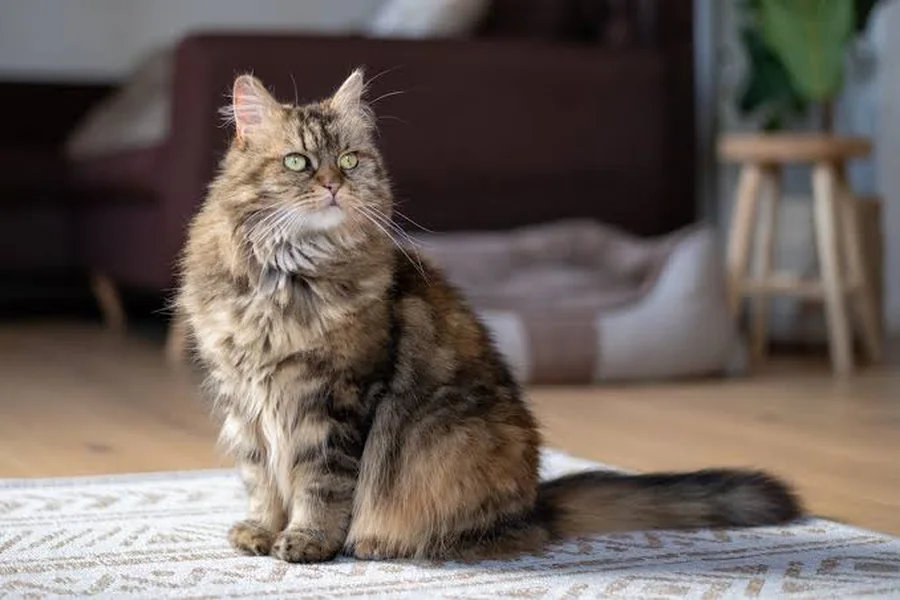
According to a study in Frontiers in Veterinary Science, 2024, cats made up 37% of animals relinquished to shelters because of housing problems, and only about 7 to 9% of U.S. rental housing is free of major pet restrictions.
Those numbers describe a heartbreak that can be prevented. Every renter who falls for a cat is really asking one question: how do I keep this little life with me, wherever the lease leads? The answer starts with choosing a cat whose nature fits a rental, then preparing so your landlord feels confident saying yes.
The best cat breeds for renters are calm, quiet, low-destruction companions whose temperament and coat suit shared walls and small floor plans, so the cat you love is also the cat you can keep.
What Breed of Cat Is Best for Apartment Living?
The Traits That Keep Landlords and Neighbors Happy
Look for a calm, quiet cat that is content indoors. Five traits matter most in a rental:
- Low vocalization: neighbors hear loud, persistent meowing through shared walls
- Light scratching habits: a calm cat redirects to a scratching post more easily than an anxious one
- Manageable shedding and odor: a short, dense coat and a clean litter routine protect your deposit
- Moderate energy: a cat that sprints and climbs all night is hard on floors and on sleep
- Comfort with alone time: cats that panic when left alone cry, and crying gets noticed
Breeds to Think Twice About
Some wonderful cats are simply a poor match for shared walls:
- Siamese and Oriental Cats: constant, carrying commentary that neighbors will hear
- Bengal Cats: very high energy and a strong climbing drive, destructive without daily enrichment
- Savannah Cats: need large spaces, and some places restrict early-generation hybrids
What Are the Best Cat Breeds for Renters?
Exotic Shorthair Cat
An Exotic Shorthair Cat is a renter’s dream: plush as a teddy bear, calm, affectionate, and happy to lounge in a small space. It carries the Persian’s gentle temperament in a short coat that needs only weekly brushing and a quick daily wipe of the face folds. It is quiet, rarely destructive, and happiest curled up near its person.
British Shorthair
Calm, independent, and quietly affectionate, the British Shorthair manages a workday alone without complaint. Its low-frustration temperament means it takes to a scratching post easily, and its dense short coat needs only weekly brushing.
Russian Blue
The Russian Blue is whisper-quiet, gentle, and deeply loyal. Its short double coat sheds little and needs weekly brushing, and it thrives in the calm, predictable homes that many renters create.
Ragdoll
Docile and soft-voiced, the Ragdoll follows you from room to room instead of racing around the apartment. Its semi-long coat needs brushing two to three times weekly, and its larger size calls for a spacious litter box and a sturdy cat tree.
American Shorthair
Descended from working cats, the American Shorthair is adaptable, robust, and moderately active. It handles moves and new floor plans well, which is a real advantage for renters who relocate.
How the Five Compare
These are also the best kitten breeds for renters, since each grows into the calm temperament described here:
| Breed | Noise Level | Weekly Grooming | Energy | Apartment Fit |
| Exotic Shorthair Cat | Quiet | Weekly brushing, daily face wipe | Low to moderate | Excellent |
| British Shorthair | Quiet | Weekly brushing | Low to moderate | Excellent |
| Russian Blue | Very quiet | Weekly brushing | Moderate | Excellent in calm homes |
| Ragdoll | Quiet | 2 to 3 brushings | Low | Excellent with space for size |
| American Shorthair | Quiet to moderate | Weekly brushing | Moderate | Very good |
How Do You Get a Landlord to Say Yes?
Build a Pet Resume
A prepared renter reads as a responsible one. Take these steps before you apply:
- Read your lease and pet policy for limits on number, weight, deposits, and monthly pet rent, and get any approval in writing.
- Assemble a pet resume: the breeder’s health guarantee, vaccination and deworming records, spay or neuter proof, microchip number, and a veterinary reference.
- Add a photo of your cat and a reference from a previous landlord, and offer to let the landlord meet your cat.
- Photograph the unit at move-in, with dates, so existing wear is documented.
Protect Your Deposit and Your Neighbors
Prevention is easier than repair:
- Place sisal scratching posts beside the furniture or door frames your cat targets, and trim nails every two to three weeks
- Use a litter mat, scoop daily, and keep the box away from shared walls
- Cover cords and install secure window screens before your cat arrives
- Ask whether your renters insurance covers pet liability
A Home You Can Keep, With a Cat Who Belongs There
Choosing a cat that fits your rental is not settling; it is a promise that you and your cat will get to stay together.
Too many cats lose their homes over housing. You can write a different story: a calm, quiet breed, an honest conversation with your landlord, and a routine that keeps the place spotless. Years from now, through every move, your cat will still be curled up beside you.
Frequently Asked Questions
Which cat breed is easiest on a small apartment?
Exotic Shorthair, British Shorthair, Russian Blue, and Ragdoll cats are calm, quiet, and content indoors. Choose by how much weekly grooming you enjoy.
Should I declaw my cat to satisfy my landlord?
No. Declawing is a painful surgery widely opposed by veterinary organizations. Sisal posts and regular nail trims protect your unit without it.
What should I include in a pet resume for my landlord?
Include the breeder’s health guarantee, vaccination and deworming records, spay or neuter proof, a microchip number, a vet reference, and a photo. A previous landlord’s reference helps too.
Are kittens or adult cats better for renters?
Adults arrive with known habits, which reassures landlords. If you choose a kitten, pick from the best kitten breeds for renters and start scratching-post training on day one.
Will I have to pay a pet deposit or pet rent?
Often, yes. Ask early, get the terms in writing, and add monthly pet rent to your budget.
How do I keep my cat from disturbing neighbors?
Choose a quiet breed, give daily play sessions, and keep the litter box away from shared walls. A tired, content cat is a quiet one.