
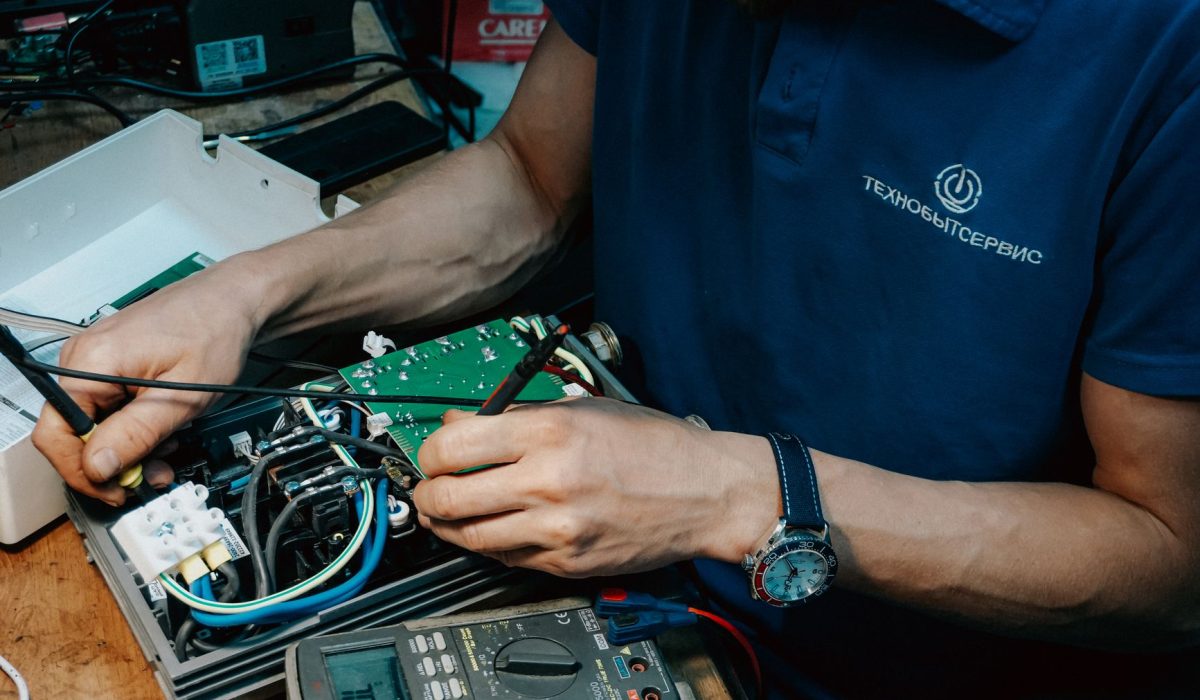
Electrical maintenance is vital for keeping industrial machinery, commercial appliances, and facility infrastructure running smoothly. However, working with energized systems presents severe hazards, including arc flashes, electrocution, electrical fires, and severe thermal burns. Establishing rigorous electrical safety protocols protects technicians from catastrophic injury while preventing costly equipment damage and operational downtime. Following fundamental safety practices transforms high-risk maintenance routines into controlled, secure procedures that safeguard workplace well-being.
Master Lockout/Tagout Protocols Before Maintenance Begins
The foundation of safe electrical maintenance is the strict execution of Lockout/Tagout (LOTO) procedures. LOTO ensures that dangerous machinery is completely de-energized and cannot be re-energized accidentally while technicians perform repairs or routine inspections. Failing to isolate power sources properly remains a leading cause of severe electrical workplace accidents.
Before touching any electrical circuit or mechanical component, technicians must identify every energy source connected to the equipment. This includes primary electrical feeds, backup generators, charged capacitor banks, and pneumatic or hydraulic lines. Technicians must open disconnect switches, apply personal safety padlocks to energy-isolation devices, and attach clear danger tags indicating who is performing the maintenance work.
Verifying zero energy state is the critical final step of the LOTO protocol. Never assume a circuit is dead simply because a switch is turned off. Technicians must use properly rated, calibrated voltage testers to verify that no electrical potential remains across all phase conductors and ground before touching internal components.
Utilize Personal Protective Equipment and Rated Hand Tools
Personal Protective Equipment (PPE) serves as the ultimate line of defense against unexpected arc flashes, electrical shocks, and flying debris during maintenance. Selecting appropriate PPE requires evaluating the specific voltage levels and arc flash risks associated with the equipment being serviced. Wearing inadequate or damaged protective gear leaves technicians vulnerable to severe injury.
Voltage-rated rubber insulating gloves with leather protectors are essential when working near exposed electrical conductors. Flame-resistant clothing, arc flash face shields, safety glasses, and non-conductive, steel-toe footwear provide comprehensive body protection. All PPE must be inspected for tears, punctures, or chemical degradation before every use to ensure maximum protective integrity.
Utilizing properly insulated hand tools certified to international safety standards prevents accidental short circuits and electric shocks. Insulated screwdrivers, pliers, and wrenches prevent metal tools from bridging energized terminals and grounded metal enclosures. Never use damaged, altered, or uninsulated tools inside electrical panels or control enclosures.
Inspecting Rubber Gloves for Microscopic Punctures
Rubber insulating gloves require air-testing before every shift to detect microscopic pinholes or tears that compromise electrical insulation. Rolling the cuff tightly to trap air inside reveals hidden leaks when compressed.
If air escapes or the glove fails to hold pressure, it must be destroyed and replaced immediately. Rigorous glove testing prevents deadly current paths from traveling through a technician’s hands.
Selecting the Right Arc Flash Hazard Category Gear
Electrical panels are categorized by potential arc flash energy levels, requiring corresponding levels of arc-rated protective clothing. Wearing arc-rated suits with proper calorie ratings shields workers from extreme radiant heat during unexpected arc faults.
Understanding panel hazard labels ensures technicians wear correctly rated gear for specific maintenance tasks. Matching PPE to identified risk levels saves lives during arc flash incidents.
Conduct Thorough Visual Inspections and Cleanliness Checks
Visual inspections help technicians spot dangerous electrical flaws before opening panels or touching internal components. Examining equipment enclosures for water intrusion, physical impact damage, burnt insulation, or missing cover plates identifies hazards early. Addressing external enclosure defects prevents environmental contamination from compromising internal electrical circuits.
Inside electrical enclosures, dust, metallic filings, moisture, and chemical residue create conductive paths that cause short circuits and tracking arcs. Keeping panel interiors clean using specialized non-conductive vacuums removes hazardous debris safely. Technicians should also check for loose wiring connections, frayed insulation, and signs of overheating, such as discolored wire jackets or melted terminal blocks.
Component connections require careful mechanical and thermal inspection. For example, verifying tight mechanical tension on fuse clips prevents high-resistance electrical connections that generate excessive heat and cause premature fuse failure. Replacing worn, pitted, or loose mounting clips restores firm contact pressure, protecting electrical circuits from thermal breakdown during high-current operations.
Utilizing Infrared Thermography for Thermal Hotspots
Scanning electrical panels with thermal imaging cameras identifies high-resistance electrical connections before visible damage or smoke occurs. Thermal scans highlight loose lugs, overloaded breakers, and degraded contactors safely under active electrical loads.
Identifying thermal anomalies early allows maintenance teams to schedule targeted de-energized repairs during planned downtime. Infrared testing prevents electrical fires and unexpected equipment shutdowns.
Checking Enclosure Environmental Seals and Gaskets
Industrial electrical enclosures utilize rubber door gaskets to seal out dust, water, and corrosive fumes. Damaged or dry-rotted door seals allow moisture and contaminants to enter panel interiors, causing short circuits.
Inspecting and replacing degraded enclosure gaskets preserves IP and NEMA ratings. Intact environmental seals protect internal electronics from harsh ambient factory conditions.
Maintain Test Instruments and Follow Safe Testing Practices
Electrical testing instruments—such as digital multimeters, clamp meters, and insulation testers—are indispensable maintenance tools, but they can pose severe safety risks if misused or poorly maintained. Using test meters rated for incorrect voltage categories can cause meters to explode in a technician’s hands during voltage spikes.
Technicians must verify that all testing equipment and test leads match the Voltage Category (CAT III or CAT IV) of the system being tested. Inspecting test leads for cracked insulation, exposed copper wire, or damaged probe tips before use prevents short circuits and shock hazards. Store test meters in protective padded cases to shield sensitive internal electronics from impact damage.
Always follow the “Three-Point Test Method” when verifying de-energized electrical circuits. First, test your meter on a known live voltage source to confirm it operates correctly. Next, test the target electrical circuit to verify the absence of voltage. Finally, test your meter on the known live source again to confirm the meter did not fail during the test.
Understanding Voltage Category (CAT) Ratings
CAT ratings define an instrument’s ability to withstand transient voltage spikes originating from power distribution systems. CAT IV meters handle severe utility entrance surges, while CAT III meters cover heavy industrial distribution panels.
Using a CAT II meter inside a CAT III distribution panel risks catastrophic meter failure during voltage surges. Matching meter CAT ratings to testing environments guarantees technician safety.
Testing Probe Tip Safety and Shrouded Leads
Safety probes feature minimal exposed metal at the tips to prevent technicians from accidentally bridging adjacent energized terminals. Shrouded banana plugs prevent accidental finger contact with live meter connections.
Utilizing finger guards on probes keeps hands behind protective barriers during testing. Safe probe design minimizes arc flash risks during voltage measurements.
Establish Safe Work Zones and Promote Team Communication
Creating a safe physical environment around electrical maintenance activities protects both technicians and bystanders from accidental exposure to electrical hazards. Setting up clear safety perimeters using barricade tape, warning signs, and portable safety barriers prevents unauthorized personnel from entering dangerous work areas.
Prior to starting complex electrical maintenance tasks, holding a job safety briefing ensures all team members understand project scopes, energy isolation points, required PPE, and emergency response procedures. Clear communication eliminates confusion regarding who is working on specific circuits, preventing premature re-energization of equipment.
Working with a qualified safety buddy during high-voltage maintenance provides vital emergency backup. The safety buddy stands outside arc flash boundaries, observes work progress, and remains prepared to operate emergency disconnect switches or render emergency first aid and CPR if an electrical accident occurs. Clear teamwork and safety zone management save lives.
Establishing Arc Flash and Limited Approach Boundaries
Electrical safety standards define specific physical approach boundaries around exposed energized conductors. The Limited Approach Boundary keeps unqualified personnel at a safe distance, while the Arc Flash Boundary dictates where arc-rated PPE is mandatory.
Marking boundaries with bright floor tape or warning cones reinforces spatial awareness. Respecting safety boundaries prevents accidental shock exposure for nearby facility workers.
Developing Emergency Rescue and First Aid Protocols
Every electrical maintenance team must maintain clear emergency response protocols for electric shock and arc flash injuries. Training technicians in non-conductive rescue hook operation allows safe removal of victims from live conductors without putting rescuers at risk.
Keeping certified CPR and Automated External Defibrillator (AED) equipment near maintenance zones improves survival rates during cardiac emergencies. Rapid emergency response minimizes permanent injury from severe electric shocks.
Conclusion
Basic electrical safety practices are the cornerstone of successful, incident-free equipment maintenance. By mastering Lockout/Tagout protocols, utilizing rated PPE and insulated tools, conducting thorough visual inspections, maintaining test meters, and establishing secure work zones, maintenance teams eliminate electrical risks. Prioritizing electrical safety protects valuable technical personnel, preserves expensive machinery, and keeps industrial facilities operating efficiently and securely.
2 Comments